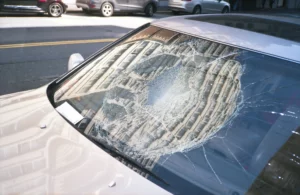
After a car accident, many people assume the next step will simply be getting repair estimates and waiting for the vehicle to be fixed. But in some cases, the insurance company decides the car will not be repaired at all. Instead, it is treated as a total loss. That can come as a shock, especially when the vehicle still runs, looks repairable, or feels too valuable to be written off so quickly.
If your car is declared a total loss after an accident, it usually means the insurer has decided the vehicle is not worth repairing under its evaluation standards. That does not always make the process simple or fair. In fact, total loss cases often create some of the biggest frustrations after a crash because they shift the dispute from repair cost to vehicle value.
At Help4Accidents, we help accident victims understand how insurance, property damage, vehicle value, and the broader claim process fit together after a crash.
What a Total Loss Usually Means
A total loss generally means the insurance company has determined that repairing the vehicle does not make financial sense under the claim. In practical terms, that often means the estimated repair cost, combined with other valuation factors, caused the insurer to classify the car as a loss rather than approve full repairs.
That decision can be extremely frustrating because the owner may feel the vehicle could still be fixed, or that the insurer is undervaluing the car compared with what it would actually cost to replace it. This is one reason total loss disputes are often about much more than just body damage.
If you are still dealing with the immediate steps after a crash, our guide on what to do after a car accident is a strong place to begin.
Why Total Loss Decisions Feel So Frustrating
A total loss decision changes the entire direction of the property damage claim. Instead of focusing on repair work, the case often becomes a dispute about what the vehicle is worth. That can be upsetting because drivers usually think in terms of what it would cost to buy a similar replacement car, not just what number the insurer has assigned on paper.
This is where many people begin to feel that the insurance process is not aligned with real life. A payment that looks acceptable in theory may still feel far too low to replace the vehicle in the actual market.
A Total Loss Is a Property Damage Issue, but It Affects Daily Life Quickly
Although a total loss is technically part of the property damage side of the case, the consequences extend well beyond the car itself. Losing access to a vehicle can affect work, childcare, medical appointments, and everyday responsibilities. That is why a total loss is not just a repair issue. It quickly becomes a practical life problem.
This is also why vehicle damage should never be treated as a minor side issue in an accident case. Our article on what property damage liability insurance actually covers explains why the property damage side of a claim often has more consequences than people first expect.
Repairable Looking Cars Can Still Be Declared a Total Loss
One of the most confusing parts of the process is that a car can still be declared a total loss even if it does not look completely destroyed. Many people assume only catastrophic wrecks are totaled, but that is not always how insurers evaluate the situation.
A vehicle may still be written off if the repair cost is high compared with the insurer’s assessed value of the vehicle. This often surprises drivers who think, reasonably, that if the car is still drivable or the damage appears limited, it should be repaired. Our article on what is the difference between collision and comprehensive coverage after an accident explains why coverage categories and damage decisions can be more complicated than people expect.
Vehicle Value Becomes the Central Issue
Once the insurer decides the car is a total loss, the dispute often turns into a valuation issue. Instead of talking mainly about repair cost, the focus usually shifts to what the insurance company says the car was worth before the accident.
That can be one of the most frustrating parts of the claim because many drivers feel the insurer’s valuation does not reflect the real cost of replacing the car with something comparable. This is especially true when the vehicle was in strong condition, had low mileage, or had features the owner believes are not being properly recognized.
Total Loss Does Not End the Rest of the Accident Claim
Another common misunderstanding is thinking that once the car is totaled, the entire accident case is reduced to that issue alone. That is not true. A person may still be dealing with injury claims, medical bills, lost income, pain, and other damages at the same time.
The total loss decision is important, but it is still only one part of the larger claim. Our guide on what damages can you recover after a car accident explains why accident-related losses often extend far beyond vehicle value.
Out-of-Pocket Costs Often Start Growing Immediately
When a vehicle is declared a total loss, additional expenses can appear quickly. These may include towing charges, storage fees, transportation costs, rental vehicle expenses, and other short-term costs caused by suddenly being without a car.
That is why recordkeeping matters so much. People often focus only on the insurer’s valuation number and overlook the surrounding costs that continue building while the claim is unresolved. Our article on what out-of-pocket expenses should you track after a car accident explains why these expenses should be documented carefully.
Insurance Communication Still Matters
A total loss case may seem like a straightforward vehicle matter, but communication with the insurance company can still affect the outcome. Statements about the condition of the car, the value of the vehicle, prior damage, or the nature of the accident can all become part of the claim file.
That is why drivers should still be careful and organized when dealing with insurers, even if the case seems focused only on vehicle damage. Our article on low settlement offers after an accident explains why early insurer decisions are not always as fair as they first appear.
After a serious crash, your insurance company may decide that your vehicle is a total loss. That usually means the cost to repair the vehicle is too high compared with what the car was worth before the accident.
Once that happens, the insurance company does not usually pay what you originally paid for the car. It also may not pay what you still owe on your loan. Instead, the insurer usually looks at the vehicle’s actual cash value, often called ACV.
Evidence Can Help Support the Property Damage Side
People often think of accident evidence mainly in relation to injuries and fault, but proof matters on the vehicle side too. Helpful records may include:
- photos of the vehicle before repair or removal
- photos of the crash scene
- repair estimates
- service records
- records showing the vehicle’s condition before the accident
- towing and storage invoices
- insurer communications
- comparable vehicle information in some situations
The stronger the documentation, the better your position tends to be when property damage issues become disputed. Our article on what evidence helps the most in a car accident claim explains why documentation remains critical across the claim.
Fault Can Still Affect the Total Loss Process
Because total loss cases usually arise from an accident claim, fault can still matter. If the insurance company disputes who caused the crash or argues that you were partly responsible, that can affect how the property damage side is handled and what part of the claim may be paid through which source.
This is one reason a total loss issue should not be viewed in isolation from the broader liability picture. Our article on can you still get compensation if you were partly at fault in a car accident explains why shared fault disputes can affect more than one aspect of recovery.
Total Loss Cases Often Feel Like They Move Too Fast
Another common frustration is how quickly insurers sometimes move toward a total loss decision. To the vehicle owner, the process may feel rushed. There may still be unanswered questions about repair feasibility, vehicle condition, or replacement cost, but the insurer may already be treating the file as if the answer is obvious.
That can create pressure to accept the valuation before fully understanding what the vehicle was actually worth or what related costs may still arise.
The Bigger Problem Is Replacement, Not Just Valuation
In real life, what most people care about is not an abstract insurance number. They care whether they can replace the car with something similar and continue normal life. That is why total loss cases feel so personal and frustrating. The issue is not simply what the damaged car was worth on paper. It is whether the driver can realistically recover from losing it.
This practical gap between insurance valuation and replacement reality is a major reason people feel dissatisfied with total loss outcomes.
Conclusion
If your car is declared a total loss after an accident, it usually means the insurer has decided the vehicle will not be repaired and the claim has shifted toward a vehicle value issue. That can be frustrating, especially when the car appears repairable or the insurer’s number does not seem to match real replacement costs.
A total loss is still only one part of the bigger accident case, and documentation, fault issues, related expenses, and insurer communication all still matter. If you were in a crash and are now facing a total loss decision, Help4Accidents can help you better understand your next step.
👉 Get your free case evaluation today:
https://help4accidents.com/get-a-free-case-evaluation-page/