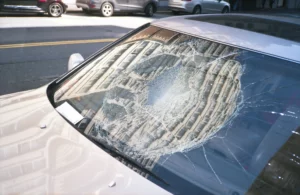
After a car accident, people often focus first on injuries, medical bills, and who caused the crash. But property damage becomes a major issue almost immediately too. A damaged vehicle can affect your ability to get to work, take care of your family, attend medical appointments, and handle everyday life. That is why it is so important to understand what insurance may or may not pay when a car is damaged in a collision.
If you are asking what property damage liability insurance covers, the short answer is that it is generally the part of an auto insurance policy that may apply when an at-fault driver causes damage to someone else’s property in a crash. In many cases, that means damage to another person’s vehicle, but it may also involve other property affected by the accident.
At Help4Accidents, we help accident victims understand how insurance coverage, vehicle damage, injury claims, and compensation issues fit together after a crash.
What Property Damage Liability Insurance Means
Property damage liability insurance is generally intended to cover damage a driver causes to someone else’s property when that driver is legally responsible for the accident. In most car accident cases, the main issue is damage to the other person’s vehicle, but property damage can extend beyond that depending on what happened in the crash.
For example, a collision might damage another car, a fence, a mailbox, a building, a parked vehicle, a traffic sign, or other physical property. That is why this coverage matters even when the accident goes beyond a simple two-car repair issue.
If you are still sorting out the first steps after a crash, our guide on what to do after a car accident is a strong place to start.
Why This Coverage Is Often Misunderstood
Many people assume that because the word “insurance” appears on the policy, everything damaged in an accident will be fully taken care of. In reality, insurance coverage can be more limited and more technical than people expect. Property damage liability coverage is only one part of the overall insurance picture, and it does not automatically resolve every cost that may come out of a crash.
This is one reason accident victims often become frustrated. They may assume the at-fault driver’s policy should handle all vehicle-related losses immediately, only to discover that valuation disputes, repair issues, coverage limits, and delay tactics can complicate the process.
Property Damage Liability Coverage Usually Relates to Damage Caused to Others
One of the most important points to understand is that property damage liability coverage is generally tied to damage the at-fault driver causes to someone else’s property. That makes it different from certain first-party coverages that may apply to your own vehicle under your own policy.
This distinction matters because people often confuse property damage liability coverage with collision coverage or other policy terms. Our article on how bodily injury liability coverage works after a crash explains a similar concept on the injury side, where liability coverage is tied to harm caused to others rather than simply to your own losses.
What Property Damage Liability Insurance May Cover
Depending on the accident and the policy, property damage liability coverage may apply to losses such as:
- damage to another person’s car
- damage to a parked vehicle
- damage to structures such as fences or walls
- damage to signs, poles, guardrails, or similar items
- other physical property damaged in the crash
The exact scope depends on the policy terms, the accident facts, and the amount of available coverage. That is why it is important not to assume that every property-related loss will be handled in the exact same way.
Vehicle Repairs Are Often the Main Focus
In most accident claims, the biggest property damage issue is the damaged vehicle itself. Repair estimates, body shop evaluations, parts availability, labor costs, and insurance inspection results can all affect how this part of the claim moves forward.
Sometimes the insurer agrees to repairs fairly quickly. Other times, there may be disputes about how much damage is related to the accident, whether certain parts should be replaced or repaired, or whether the car is worth fixing at all. That is why keeping photos, estimates, and repair paperwork organized is so important after a crash.
Property Damage Claims Are Not the Same as Injury Claims
One of the most common mistakes accident victims make is assuming the property damage side and the injury side of the case work exactly the same way. They do not. Vehicle damage can sometimes be addressed earlier, while the injury claim may continue much longer because treatment, recovery, and documentation are still ongoing.
That separation matters because a person may have both a property damage claim and an injury claim arising from the same accident, but the two do not always move at the same pace. Our guide on what damages can you recover after a car accident explains why accident losses usually go far beyond the repair cost of the vehicle.
Coverage Limits Still Matter
Even when property damage liability coverage applies, the claim is usually still subject to policy limits. That means there may be a maximum amount available under that part of the at-fault driver’s coverage. In serious accidents involving expensive vehicles or major property loss, that limit can become a very important issue.
This is one reason people should not assume that the existence of coverage automatically means every cost will be fully paid without dispute. If the loss is significant, the available policy amount may not fully match the real-world cost of repairs or replacement.
Property Damage Can Include More Than the Repair Invoice
A vehicle repair bill is often the most obvious part of the property damage claim, but it may not be the only cost that matters. Depending on the circumstances, related issues may involve towing, storage, rental expenses, diminished vehicle value concerns, or other accident-related losses tied to the damaged property.
That is why strong documentation matters here too. Our article on what out-of-pocket expenses should you track after a car accident explains why smaller costs can add up and why organized records help strengthen the overall claim.
Total Loss Situations Can Change the Conversation
Sometimes a damaged vehicle is not repaired at all because the insurer considers it a total loss. When that happens, the dispute may shift from repair cost to vehicle value. This can be one of the most frustrating parts of a property damage case because people often feel the insurer’s number does not reflect what the car was actually worth to replace in the real world.
If that issue arises, our article on what happens if your car is declared a total loss after an accident can help explain why total loss claims often become more complicated than people expect.
Fault Can Still Affect the Property Damage Claim
Because property damage liability coverage is generally tied to the at-fault driver’s responsibility, liability still matters. If the insurance company disputes who caused the crash, it may also dispute how the property damage claim should be handled. That means fault arguments can affect not only injury compensation, but also the vehicle side of the case.
This is especially important in accidents where both sides blame each other or where the insurer claims that shared fault reduces what should be paid. Our article on can you still get compensation if you were partly at fault in a car accident explains why fault disputes can affect more than one part of a claim.
Evidence Still Matters on the Property Damage Side
People often think of evidence only in relation to bodily injuries, but proof matters for property damage too. Helpful documentation can include:
- photos of the vehicle before repair
- photos of the accident scene
- repair estimates
- towing invoices
- storage bills
- police report details
- witness statements
- records showing when and where the property damage occurred
The stronger the documentation, the harder it becomes for the insurer to downplay the damage or argue that certain costs were not related to the crash. Our guide on what evidence helps the most in a car accident claim explains why proof can shape the outcome of the case on multiple levels.
Quick Payment Does Not Always Mean Fair Payment
Sometimes the insurer moves quickly on the property damage side, especially if it wants to appear cooperative early in the process. But speed does not always equal fairness. A fast offer may still undervalue repairs, ignore related costs, or push the claim toward closure before all losses are understood.
That is why even a property damage payment should be reviewed carefully in context. Our article on low settlement offers after an accident explains why early offers often benefit the insurance company more than the injured person.
Property Damage Coverage Is Only One Part of the Bigger Insurance Picture
The most important thing to understand is that property damage liability coverage helps explain one part of the accident claim, but not the whole case. It may address physical damage to property caused by the at-fault driver, but it does not replace the need to understand injury coverage, medical expenses, lost income, and the broader claim strategy.
That is why accident victims should look at the full situation, not just one line on an insurance policy. Coverage matters, but documentation, timing, and overall damages matter too.
Conclusion
If you are asking what property damage liability insurance covers, it generally refers to the part of an at-fault driver’s policy that may apply when someone else’s vehicle or other property is damaged in a crash. It often plays a major role in repair, valuation, and property-loss disputes after an accident.
Still, property damage liability coverage is only one part of the overall case. Strong documentation, a clear understanding of fault, and careful handling of insurance communications all remain important. If you were involved in a crash and are trying to understand how vehicle or property losses may be handled, Help4Accidents can help you better understand your next step.
👉 Get your free case evaluation today:
https://help4accidents.com/get-a-free-case-evaluation-page/