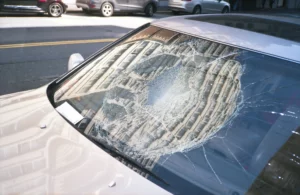
After a car accident, losing access to your vehicle can create immediate problems. You may still need to travel to work, take children to school, attend medical appointments, buy groceries, and handle other daily responsibilities. Even when the damaged car can be repaired, the process may take days or weeks.
Rental reimbursement coverage may help pay for a temporary rental vehicle while your car is unavailable because of a covered loss. However, this coverage is not automatically included in every auto insurance policy, and it often comes with important limits.
Understanding rental reimbursement coverage after a car accident can help you avoid unexpected expenses and make better decisions while the insurance company evaluates your vehicle.
At Help4Accidents, we help accident victims understand the property damage, insurance, medical, and financial issues that can arise after a crash.
What Is Rental Reimbursement Coverage?
Rental reimbursement is an optional auto insurance benefit that may help pay for a rental vehicle when your insured car cannot be used because of a covered loss. It is sometimes called transportation expense coverage.
This benefit is usually attached to an auto policy rather than automatically included with basic liability insurance. Whether it applies depends on the coverage you purchased, the reason your vehicle is unavailable, and the terms stated in the policy.
If you are dealing with the immediate aftermath of a collision, follow the steps in our guide explaining what to do after a car accident before arranging repairs or authorizing major claim decisions.
Rental Reimbursement Is Usually Optional
Many drivers assume their insurance will automatically provide a rental car after an accident. That is not always true. Rental reimbursement is commonly an optional coverage that must be added to the policy before the loss occurs.
If you did not purchase it, your insurer may not pay your rental expenses under your own policy. However, another source of payment may still be available when someone else caused the accident.
Review your declarations page or ask your insurer whether your policy includes:
- Rental reimbursement coverage
- Transportation expense coverage
- A daily rental limit
- A maximum total benefit
- Restrictions on eligible rental vehicles
- Requirements for insurer authorization
Do not rely solely on a general statement that you have “full coverage.” That phrase does not confirm that rental reimbursement was purchased.
The Damage Usually Must Result From a Covered Loss
Rental reimbursement generally applies only when the underlying vehicle damage is covered by the applicable policy. For example, it may be connected to a covered collision or comprehensive claim, depending on what caused the damage and what coverage you purchased.
It may not apply when the vehicle is unavailable because of routine maintenance, mechanical failure, or another event excluded by the policy.
Our guide comparing collision and comprehensive coverage after an accident explains how these vehicle-damage coverages differ.
Rental Coverage Usually Has Daily and Total Limits
Rental reimbursement coverage commonly includes two separate limits:
- A maximum amount payable per day
- A maximum total amount payable for the entire covered loss
For example, a policy might provide a stated daily allowance up to a larger total maximum. The actual figures depend on the policy you purchased.
If the rental costs more than the daily limit, you may have to pay the difference. If repairs take long enough to exhaust the total benefit, you may become responsible for all additional rental charges.
Before selecting a rental vehicle, ask the insurer to confirm the applicable daily and total limits in writing.
An Expensive Rental May Leave You With Extra Costs
Insurance coverage does not necessarily allow you to rent any vehicle you choose. If the policy provides a limited daily amount and you select a more expensive vehicle, the insurer may pay only up to the policy limit.
Taxes, fuel, insurance purchased at the rental counter, optional equipment, mileage charges, late fees, and upgrades may also be treated differently under the policy.
Before signing the rental agreement, ask:
- What daily amount has been approved?
- Are taxes and mandatory fees included?
- Is there a preferred rental company?
- Will the insurer arrange direct billing?
- Which vehicle class is authorized?
- Which expenses remain your responsibility?
Written confirmation can help prevent disagreements when the rental is returned.
When Does Rental Reimbursement Begin?
The starting point depends on the policy and claim circumstances. Coverage may begin when the vehicle becomes undrivable, enters an approved repair facility, or is confirmed as unavailable because of covered damage.
An insurer may dispute rental expenses incurred before it received notice or before it determined that the loss was covered. For that reason, report the accident promptly and ask when rental authorization begins.
If your car is safe to drive while waiting for repairs, the rental period may not begin until the repair facility actually takes possession of it.
How Long Will the Insurance Company Pay?
Rental reimbursement generally does not continue indefinitely. Coverage may end when:
- Repairs are completed
- The vehicle is available for pickup
- The policy’s total rental limit is exhausted
- The insurer determines the vehicle is a total loss
- A total-loss payment is made or offered
- The insurer concludes that a reasonable repair or replacement period has ended
The exact endpoint depends on the policy and applicable claim rules. Ask the adjuster to provide the approved rental period and any cutoff date in writing.
What Happens When the Car Is Declared a Total Loss?
When a vehicle is declared a total loss, rental coverage may end sooner than the driver expects. The insurer may allow a limited period for the owner to arrange replacement transportation after issuing or offering the total-loss payment.
Do not assume the rental will continue until you purchase another car. Ask the insurer exactly when authorization ends so you are not surprised by charges that become your responsibility.
Before accepting the vehicle valuation, review what happens when a car is declared a total loss.
What If the Other Driver Caused the Accident?
If another driver caused the crash, that driver’s property damage insurer may be responsible for reasonable rental expenses or other loss-of-use damages. However, the company may first investigate fault and confirm coverage before agreeing to pay.
This can create a delay when you need transportation immediately. You may have several possible approaches:
- Use your own rental reimbursement coverage, if available
- Pay for the rental and request reimbursement
- Ask the at-fault insurer to arrange direct billing
- Use another transportation option while liability is investigated
Keep every receipt and communication. If your insurer pays first, it may later seek reimbursement from the responsible insurer.
Your Own Insurer and the Other Driver’s Insurer Are Different Claims
A claim under your own rental reimbursement coverage is controlled primarily by your policy. A rental request directed to the at-fault driver’s insurer is generally part of the third-party property damage claim.
These two routes may involve different authorization procedures, payment limits, and timelines. Do not assume that instructions from one insurer automatically apply to the other.
Our article about filing a property damage claim separately from an injury claim explains why different parts of the same accident may move at different speeds.
Rental Reimbursement and Loss of Use Are Related but Different
Rental reimbursement is a specific benefit under an insurance policy. Loss of use is the broader financial effect of being unable to use a damaged vehicle.
A person may experience loss of use even without renting a replacement car. Alternative transportation costs may include rideshare services, taxis, public transportation, or other reasonable expenses caused by losing access to the vehicle.
Our guide to loss of use after a car accident explains this distinction in greater detail.
Rental Reimbursement Is Not Rental Car Insurance
Rental reimbursement coverage should not be confused with insurance offered at a rental-car counter.
Rental reimbursement helps address the expense of obtaining a temporary vehicle after a covered loss. Rental-car insurance or damage-waiver products address risks involving damage to or use of the rental vehicle itself.
Before purchasing optional protection at the counter, review your personal auto policy and credit-card benefits. Do not assume your regular policy automatically provides every protection for the rental vehicle.
Repairs Can Take Longer Than the Rental Benefit
Vehicle repairs may be delayed by inspections, parts shortages, hidden damage, scheduling problems, or disputes over the repair plan. Unfortunately, the rental benefit may run out before the repair is finished.
Contact the adjuster and repair facility regularly. Ask for updated completion estimates and written explanations for delays.
If the insurer or another party caused an unreasonable delay, document it carefully. However, do not assume the insurer will automatically extend coverage beyond the stated policy limit.
Towing and Storage Costs Are Separate Expenses
Rental reimbursement generally addresses temporary transportation. Towing and storage charges concern the damaged vehicle’s removal and location.
You may face all of these costs at the same time, but they should be documented separately. Keep itemized invoices and confirm which insurer is evaluating each expense.
Our article explaining who pays towing and storage fees after a car accident covers the steps needed to prevent storage charges from increasing unnecessarily.
Keep Detailed Records of Rental Expenses
Strong documentation can make reimbursement easier and reduce disputes. Save:
- The rental agreement
- Daily rental invoices
- Payment receipts
- Taxes and mandatory fee records
- Fuel receipts when relevant
- Rideshare or taxi receipts
- Repair-shop intake and completion dates
- Total-loss notices
- Emails and messages from the adjuster
- Written rental authorization
- The date the insurer instructed you to return the rental
If the insurer denies part of the expense, ask for a written explanation identifying the policy provision or claim reason.
Do Not Keep the Rental Beyond the Approved Date Without Clarification
One of the most expensive mistakes is keeping the rental after insurance authorization ends. The rental company may continue charging your card even if you believe the insurer should pay.
Confirm the return deadline directly with both the insurer and rental company. If the vehicle is still not repaired, request an extension before the approved period expires.
If the extension is denied, consider a less expensive transportation option while the dispute is addressed.
Track Transportation Costs as Part of the Larger Claim
Rental expenses may be only one part of the accident’s financial impact. You may also face towing charges, storage bills, repair-related costs, medical expenses, missed work, and other out-of-pocket losses.
Keep each category organized rather than combining everything into a single estimate. Clear documentation helps show the full effect of the collision.
Our guide to out-of-pocket expenses after a car accident explains which records may become important.
Do Not Let the Vehicle Claim Distract You From Medical Care
Transportation problems can demand immediate attention, but they should not cause you to neglect accident-related symptoms. Neck pain, headaches, back problems, numbness, or other injuries may develop after the initial shock fades.
Continue following medical recommendations while handling the property damage claim. The rental issue may be resolved early, while an injury claim can continue for much longer.
Conclusion
Rental reimbursement coverage may help pay for temporary transportation while your vehicle is unavailable because of covered accident damage. However, it is usually optional and commonly subject to daily and total payment limits.
Confirm your coverage, obtain written authorization, select a rental within the approved amount, monitor repair or total-loss deadlines, and save every receipt. When another driver caused the accident, their insurer may also be responsible for reasonable transportation losses, but payment may be delayed while fault and coverage are investigated.
If you are dealing with vehicle damage, rental expenses, injuries, or an insurance disagreement after a crash, Help4Accidents can help you understand your available options.
👉🏻 Get your free case evaluation today.
Frequently Asked Questions
Is rental reimbursement automatically included in auto insurance?
No. Rental reimbursement is usually optional coverage that must be purchased before the covered loss occurs.
How much will rental reimbursement pay?
The amount depends on the policy. Coverage commonly includes a maximum daily payment and a maximum total benefit for the claim.
Will insurance pay for any rental vehicle I choose?
Not necessarily. If the rental costs more than the approved daily limit or includes upgrades and optional services, you may have to pay the difference.
Does rental reimbursement continue until I buy another car?
Not always. In a total-loss claim, rental authorization may end after a stated period, when a settlement is offered, or when the policy limit is exhausted.
Can the at-fault driver’s insurance pay for my rental car?
The at-fault driver’s property damage insurer may pay reasonable rental or transportation expenses, but it may first investigate liability and confirm coverage.