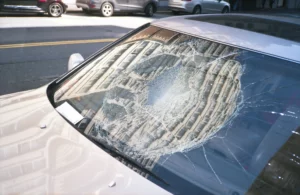
A drunk driving accident can leave victims dealing with far more than vehicle damage. These crashes often involve serious injuries, emotional trauma, financial stress, and the anger that comes from knowing the collision may have been completely preventable. When a driver chooses to get behind the wheel while impaired, innocent people can suffer life-changing consequences in only a few seconds. Victims who want to better understand their legal and financial options after a crash can begin by reviewing accident claim resources.
Many people assume that a drunk driving case will automatically be simple because impaired driving sounds like obvious negligence. In reality, insurance companies may still challenge fault, question injury severity, or attempt to reduce the amount they pay. Even when the impaired driver faces criminal charges, the civil injury claim still has to be built carefully with evidence, treatment records, and proof of damages. If you are unsure how your case may be evaluated, requesting a free case evaluation can help clarify your next steps.
Why Drunk Driving Accidents Are Often So Serious
Drunk driving crashes are often severe because impairment affects judgment, reaction time, coordination, and decision-making. An intoxicated driver may speed, drift across lanes, run red lights, ignore stopped traffic, or react too late to avoid a collision. In many cases, the impaired driver makes little or no attempt to brake before impact, which increases the force of the crash and the likelihood of serious injury.
These collisions can happen on highways, at intersections, in neighborhoods, and even in parking lots. Because an impaired driver may behave unpredictably, drunk driving crashes often involve head-on collisions, rear-end crashes, wrong-way driving, and side-impact accidents.
What Counts as Impaired Driving
Drunk driving usually refers to operating a vehicle after consuming enough alcohol to impair safe driving ability. In some cases, this involves a blood alcohol concentration over the legal limit. In others, a driver may still be too impaired to drive safely even if the exact reading is disputed or unavailable at the time the civil claim is evaluated.
Impairment can also involve drugs, prescription medication, or a combination of alcohol and other substances. From an injury claim perspective, the central issue is whether the driver was operating the vehicle in an unsafe, impaired condition and whether that impairment contributed to the crash.
How Drunk Driving Often Causes Catastrophic Collisions
An impaired driver may fail to stay in their lane, miss traffic signals, follow too closely, drive the wrong direction, or misjudge distances and speeds. These driving errors frequently lead to violent collisions that leave victims with major injuries and long recovery periods.
Drunk driving often causes head-on accident claims, rear-end accident claims, and intersection crashes where the victim has little or no time to react. Because the impaired driver may not brake or swerve before impact, the collision can be especially destructive. This section is a natural fit for accident-related internal linking in a Help4Accidents article.
Who May Be Liable in a Drunk Driving Accident Claim
In most drunk driving accident claims, the impaired driver is the primary at-fault party. A person who chose to operate a vehicle while intoxicated may be legally responsible for the injuries, losses, and other damages caused by the collision.
Some cases may involve additional liable parties depending on the facts. If the impaired driver was working at the time of the crash, an employer may become relevant. In some jurisdictions, other parties may also come into play if they unlawfully served alcohol under circumstances recognized by state law. Commercial vehicle drivers, rideshare drivers, and company fleet operators can also create more complex liability issues.
Why Evidence Matters So Much in Drunk Driving Cases
Evidence is critical in a drunk driving accident claim because the civil case still requires proof, even if the crash seems morally obvious. Police reports, arrest records, field sobriety observations, chemical test results, witness statements, dashcam footage, bodycam footage, and surveillance video may all become important pieces of the claim.
Photos of the vehicles, roadway, skid marks, traffic signals, and visible injuries can also help establish how the crash happened and how severe the impact was. In some cases, accident reconstruction or phone records may also become relevant if multiple negligent behaviors were involved. This paragraph supports an internal link on accident evidence and documentation.
Common Injuries in Drunk Driving Accident Claims
Drunk driving crashes often cause serious injuries because the force of impact may be high and the impaired driver may fail to take any evasive action. Victims may suffer whiplash, spinal injuries, concussions, traumatic brain injuries, broken bones, facial trauma, chest injuries, internal bleeding, nerve damage, and long-term mobility problems.
Some injuries appear immediately, while others become worse over the next several hours or days. Neck pain, headaches, dizziness, numbness, sleep disruption, and emotional distress are common after a serious collision. These symptoms can affect work, daily activities, and recovery for a long time. This section is a strong fit for an internal link on whiplash and soft tissue injuries.
Why Prompt Medical Treatment Is So Important
Prompt medical treatment is critical after a drunk driving accident. First, it protects the victim’s health by identifying injuries early, including injuries that may not be obvious right away. Second, it creates a treatment record that connects the injuries directly to the crash.
Insurance companies often search for treatment gaps so they can argue that the injuries were minor or unrelated. Emergency room notes, diagnostic imaging, prescriptions, specialist evaluations, therapy records, surgery reports, and follow-up care can all strengthen the claim. Anyone dealing with pain or uncertainty after a crash should consider a free case evaluation while continuing appropriate medical care.
What Compensation May Be Available
Drunk driving accident claims may include compensation for both economic and non-economic losses. Medical expenses are often significant, especially when treatment includes hospitalization, surgery, rehabilitation, specialist care, or long-term therapy. Victims may also recover lost wages if the injuries prevent them from working.
In more serious cases, compensation may also include reduced future earning ability, future medical care, property damage, and pain and suffering. Emotional stress, driving anxiety, physical pain, and disruption to daily life may all increase the value of the claim. This is a natural place to add an internal link on pain and suffering compensation.
How Insurance Companies May Challenge the Claim
Even in drunk driving cases, insurance companies often look for ways to limit what they pay. They may minimize the injuries, question whether all medical treatment was necessary, or argue that some symptoms existed before the crash. In some cases, they may try to shift partial blame to the victim or dispute the full financial impact of the injuries.
Insurers may also challenge wage loss, future treatment, and non-economic damages. Because of that, victims should be cautious in conversations with adjusters and avoid casual guesses or overly broad statements that may later be used against them. This paragraph works well with an internal link on dealing with insurance adjusters.
When a Drunk Driving Accident Claim Becomes a Legal Matter
Some drunk driving claims settle through insurance negotiations, but many become legal matters because the injuries are severe or the insurer refuses to pay fairly. A criminal DUI or DWI case does not automatically resolve the civil injury case. The victim may still need to prove damages, challenge low settlement offers, and build a strong record of losses.
These cases may require detailed review of criminal evidence, accident facts, treatment history, and long-term damages. When multiple parties are involved or the insurer disputes the value of the claim, the case can become more technical than many victims expect. This section can connect to personal injury claim process.
How Victims Can Protect Their Rights After the Crash
Victims can protect their rights by acting early and staying organized. Seek medical treatment promptly. Preserve photographs of the vehicles, roadway, and visible injuries. Keep police reports, medical records, prescriptions, repair estimates, wage loss documents, and written communications from insurers. If there were witnesses, preserve their contact information whenever possible.
A written recovery journal can also help support the claim. Notes about pain levels, missed work, emotional distress, sleep problems, treatment progress, and limitations in daily life can show the real impact of the crash. These details often matter when insurers try to reduce the value of the case.
Conclusion
Drunk driving accident claims are often emotionally and legally complex because the crash may feel clearly preventable, yet the insurance process can still be difficult and frustrating. Victims may be left dealing with major medical treatment, lost income, property damage, and long-term physical and emotional effects while the insurer tries to reduce what it pays.
👉 Get a Free Case Evaluation
https://help4accidents.com/get-a-free-case-evaluation-page/