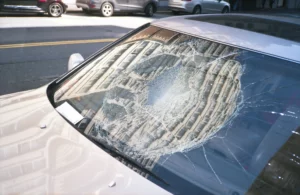
Distracted driving accidents are among the most frustrating types of collisions because they are often entirely preventable. A driver who looks at a phone, adjusts navigation, eats behind the wheel, or loses focus for only a few seconds can cause devastating harm to another person. For victims, the result may include painful injuries, lost income, vehicle damage, expensive treatment, and long-term emotional stress. Anyone trying to understand their recovery options after a crash can begin by reviewing accident claim resources.
Many distracted driving cases seem straightforward at first, but insurance companies do not always make them easy. Even when it appears obvious that the other driver was not paying attention, an insurer may still dispute fault, minimize the injuries, or question how the crash happened. That is why these claims should be taken seriously from the beginning. If you are unsure how your case may be evaluated, requesting a free case evaluation can help clarify your next steps.
Why Distracted Driving Accidents Are So Dangerous
Distracted driving is dangerous because it takes attention away from the road at exactly the moment quick decisions matter most. A driver may travel the length of a football field while looking at a phone for only a few seconds. During that time, traffic can stop, a pedestrian can enter a crosswalk, another vehicle can brake, or road conditions can change completely.
These accidents can happen at intersections, on highways, in neighborhoods, and even in parking lots. In many cases, the distracted driver does not brake in time or react at all before impact. That lack of reaction often makes the collision more severe.
What Counts as Distracted Driving
Distracted driving includes much more than texting while driving. It can involve visual distraction, manual distraction, or cognitive distraction. A driver may be reading a message, reaching for an object, adjusting the radio, entering an address into a navigation system, eating, drinking, grooming, or speaking to passengers in a way that takes attention off driving.
How Distracted Driving Often Causes Serious Collisions
A distracted driver may fail to stop for red lights, drift into another lane, rear-end stopped traffic, ignore pedestrians, or miss obvious hazards. Because they are not fully engaged with the road, they may also fail to take evasive action that could have reduced the damage.
Distracted driving frequently causes rear-end crashes, t-bone collisions, sideswipe accidents, intersection crashes, and highway chain-reaction collisions. The type of crash depends on where the distraction occurs, but the central issue is usually the same: the driver was not fully paying attention when safe driving required it.
Who May Be Liable in a Distracted Driving Accident Claim
In most distracted driving claims, the primary at-fault party is the driver who lost focus and failed to operate the vehicle safely. A driver who was texting, using an app, looking away from traffic, or otherwise ignoring the road may be legally responsible for the resulting crash.
In some cases, there may be additional liable parties. If the distracted driver was working at the time of the crash, an employer may also become relevant depending on the facts. Commercial vehicle drivers, delivery drivers, and company fleet operators can create more complex liability issues than ordinary drivers.
Why Evidence Matters So Much in Distracted Driving Cases
Evidence is especially important in distracted driving cases because the driver rarely admits full distraction right away. A person who caused the crash may deny using a phone or claim they looked away only briefly. Strong evidence can help show what really happened before impact.
Photos of the scene, vehicle damage, skid marks, final vehicle positions, traffic signals, and roadway conditions may all help support the claim. Police reports, witness statements, dashcam footage, surveillance cameras, phone records, and vehicle data can also become very important.
Common Injuries in Distracted Driving Accident Claims
Distracted driving accidents can cause the same severe injuries seen in any major crash. Victims may suffer whiplash, back injuries, spinal trauma, concussions, broken bones, shoulder injuries, facial injuries, internal injuries, and long-term nerve pain. The seriousness often depends on speed, point of impact, and whether the distracted driver attempted to brake.
Some victims initially think they are fine, only to develop headaches, stiffness, numbness, dizziness, or mobility limitations later. That is why accident victims should not ignore symptoms simply because adrenaline masked the pain at first. Learn more about whiplash and soft tissue injuries after an accident.
Why Prompt Medical Treatment Is So Important
Prompt medical care is one of the most important steps after a distracted driving accident. First, it protects the victim’s health by identifying injuries early, including ones that may not be obvious right away. Second, it creates a treatment record that connects the injuries directly to the crash.
Insurance companies often use treatment gaps to argue that the injuries were minor or unrelated. Emergency room notes, imaging, prescriptions, specialist evaluations, therapy records, and follow-up treatment all help support the claim. Anyone dealing with pain or uncertainty after a crash should consider a free case evaluation while continuing appropriate medical care.
What Compensation May Be Available
Distracted driving accident claims may include compensation for both economic and non-economic losses. Medical expenses are often a major part of the case, especially when treatment includes emergency care, specialist visits, therapy, surgery, or long-term rehabilitation. Lost wages may also be recoverable if the injuries kept the victim from working.
In more serious cases, a claim may also include reduced future earning ability, future treatment costs, property damage, and pain and suffering. Emotional stress, physical pain, reduced mobility, and disruption to daily life can all increase case value. Learn how pain and suffering may be evaluated after a car accident.
How Insurance Companies May Challenge the Claim
Insurance companies often try to reduce distracted driving claims by disputing either fault or damages. They may argue that the victim was partially responsible, that the distracted behavior cannot be proven clearly, or that the injuries were not as serious as claimed. In some cases, they may challenge whether phone use actually caused the collision.
Insurers may also minimize treatment, question lost income, or argue that pre-existing conditions explain some of the pain. Because of that, victims should be cautious when speaking to adjusters and avoid guessing about details they are not certain about. Review these tips for dealing with insurance adjusters after an accident.
When a Distracted Driving Claim Becomes a Legal Matter
Some distracted driving accident claims settle through standard insurance negotiations, but others become legal matters because fault is denied or the injuries are significant. If the insurer delays the case, makes an unreasonably low offer, or refuses to fairly evaluate the evidence, stronger legal action may become necessary.
These cases may require deeper review of phone activity, witness statements, police findings, crash reconstruction, and medical documentation. When a company vehicle or commercial driver is involved, the legal issues can become even more technical. Learn what a personal injury lawyer may cost and how legal fees are commonly structured.
How Victims Can Protect Their Rights After the Crash
Victims can protect their claim by acting early and staying organized. Seek medical care promptly. Preserve photographs of the vehicles and the scene. Keep police reports, medical bills, prescriptions, repair records, wage loss documents, and all written communications from insurers. If there were witnesses, save their names and contact information.
A written recovery journal can also help support the case. Notes about pain levels, missed work, treatment progress, sleep problems, emotional stress, and physical limitations can show how the collision affected daily life. Those details often matter when insurers try to reduce the value of the claim.
Conclusion
Distracted driving accident claims are often more serious than they first appear because the crash itself may be preventable, but the injuries and financial consequences are very real. Victims may be left dealing with treatment, lost income, property damage, and insurance disputes while the at-fault driver tries to minimize what happened.
👉 Get a Free Case Evaluation
https://help4accidents.com/get-a-free-case-evaluation-page/