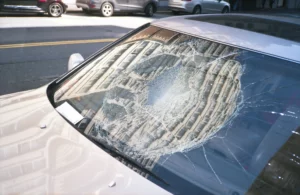
After a car accident, getting the damaged vehicle away from traffic is often one of the first practical concerns. A tow truck may arrive within minutes, and the car may be taken to a repair shop, impound lot, salvage yard, or storage facility. What many drivers do not realize is that the cost may continue increasing each day the vehicle remains there.
If you are wondering who pays towing and storage fees after a car accident, the answer depends on several factors. Fault, available insurance coverage, who ordered the tow, where the vehicle was taken, and whether the charges are considered reasonable can all affect responsibility.
At Help4Accidents, we help accident victims understand the insurance and financial issues that can develop after a crash.
Why Towing and Storage Fees Become Expensive So Quickly
The first tow may involve charges for transporting the vehicle, loading it, cleaning debris, using specialized equipment, or recovering it from a difficult location. Once the vehicle reaches a storage facility, daily storage fees may begin accumulating.
A vehicle that remains at a tow yard for several days can create a much larger bill than the driver expected. This is why towing and storage should be addressed quickly rather than left until the rest of the insurance claim is resolved.
If the accident just happened, follow the steps in our guide explaining what to do after a car accident so that evidence, medical needs, and property damage are handled promptly.
The At-Fault Driver’s Insurance May Be Responsible
When another driver caused the accident, that driver’s property damage liability coverage may ultimately be responsible for reasonable towing and storage expenses connected to the damaged vehicle.
However, the other insurer may not make an immediate payment. It may first investigate fault, inspect the vehicle, confirm coverage, and review the charges. While that process is happening, storage fees may continue accumulating.
This delay can leave the vehicle owner caught between the tow yard demanding payment and the insurance company still investigating. Our guide to what property damage liability insurance actually covers explains how this coverage generally applies to damage caused to someone else’s property.
Your Own Insurance May Pay Before Fault Is Resolved
If you have collision coverage, towing coverage, roadside assistance, or another applicable first-party benefit, your own insurer may be able to address some costs before the other driver’s company accepts responsibility.
Your insurer may later pursue reimbursement from the responsible party through subrogation. Whether this option is available depends on your policy, your deductible, and the circumstances of the accident.
Reviewing collision and comprehensive coverage after an accident can help clarify which part of your policy may apply to the vehicle damage.
Towing Coverage Is Not Automatically Included in Every Policy
Many drivers assume that every auto policy includes towing. In reality, towing or roadside assistance is often optional. A policy may cover only emergency roadside towing, limit the distance, impose a maximum payment, or exclude certain storage-related costs.
Ask your insurance company specifically:
- Whether towing coverage is included
- The maximum amount available
- Whether storage fees are included
- Where the vehicle may be moved
- Whether prior approval is required
- Whether you must pay first and request reimbursement
Do not rely only on a general statement that the accident is “covered.” Towing, storage, repairs, rental transportation, and injuries may all be handled under different provisions.
What If the Police Ordered the Tow?
Police officers may order a tow when a vehicle is unsafe to drive, blocking traffic, abandoned, or connected to an investigation. In those situations, the driver may have little control over which company removes the vehicle or where it is taken.
A police-authorized tow does not necessarily mean the government will pay the bill. The registered owner may initially be responsible for retrieving or relocating the vehicle, even when another driver caused the collision.
Save the tow slip, police report number, facility information, and every receipt. Those records may be needed when requesting reimbursement through the appropriate insurance claim.
What If You Selected the Tow Company?
When you arrange the tow yourself, confirm the destination and expected charges before authorizing the service whenever circumstances allow. Ask whether the vehicle is going directly to a repair facility or to a storage yard that charges daily fees.
Some drivers unknowingly authorize a tow to a facility far from home or one that charges substantial administrative and storage expenses. Moving the vehicle later may require paying the existing bill first.
Documenting these costs supports the broader category of damages recoverable after a car accident.
Storage Fees May Continue During an Insurance Investigation
One of the most important things to understand is that storage charges generally do not stop merely because an insurance claim has been opened. The facility may continue charging for every day the vehicle remains on its property.
Do not assume the adjuster is automatically coordinating with the storage yard. Contact the insurer promptly and ask:
- When the vehicle will be inspected
- Whether the insurer has authorized relocation
- Where the vehicle should be moved
- Whether storage charges are currently approved
- When responsibility for future storage expenses may end
Keep written records of these conversations, including the representative’s name, date, and instructions.
You May Need to Prevent Unnecessary Fees From Accumulating
Even when another party caused the crash, insurers may dispute storage charges they consider excessive or avoidable. Once the vehicle has been inspected, you may be expected to cooperate with moving it to a repair facility, insurer-approved yard, salvage location, or another lower-cost destination.
This does not mean you should move the vehicle before necessary evidence is documented. It means you should communicate promptly and avoid allowing the car to remain in expensive storage without a clear reason.
Our guide to the evidence that helps most in a car accident claim explains what should be preserved before the vehicle is repaired, moved, or disposed of.
What Happens When the Vehicle Is Declared a Total Loss?
When the insurer declares the vehicle a total loss, towing and storage may become part of the total-loss process. The insurer may request permission to move the vehicle to a salvage facility or another location where storage expenses are lower.
Pay close attention to any notice stating that the company will stop paying storage charges after a particular date. Delaying a required authorization could leave you responsible for charges that continue afterward.
Read what happens when a car is declared a total loss before accepting a valuation or signing over the vehicle.
Can the Tow Yard Refuse to Release the Vehicle?
A tow or storage facility may require payment, proof of ownership, identification, or authorization before releasing the vehicle. Procedures and rights vary by state and by the circumstances of the tow.
Request an itemized invoice showing:
- Base towing charge
- Mileage
- Recovery or equipment fees
- Administrative charges
- Daily storage rate
- After-hours release fee
- Other added expenses
An itemized bill makes it easier to identify unexpected charges and submit accurate documentation to the insurance company.
What If the Charges Seem Excessive?
If the amount appears unreasonable, ask the towing company for a written breakdown and ask the insurer which charges it accepts. You may also need to review state or local towing rules, particularly when the tow was ordered by law enforcement.
Do not ignore the bill while disputing it. Storage expenses may continue increasing during the disagreement. Work quickly to determine whether the vehicle can be relocated without compromising your evidence or claim.
Keep the invoice, tow authorization, photographs, police report, insurer correspondence, and proof of every payment. These records are part of the out-of-pocket expenses you should track after an accident.
Towing Fees and Loss of Use Are Separate Issues
Towing and storage expenses concern the damaged vehicle’s removal and location. Loss of use concerns the inability to use the vehicle while it is being repaired, inspected, or replaced.
You may therefore face towing fees, storage charges, rental expenses, rideshare costs, and other transportation losses at the same time. These categories should be documented separately rather than combined into one general estimate.
Our article explaining loss of use after a car accident covers the transportation problems that can arise while a damaged vehicle is unavailable.
Steps to Take After Your Vehicle Is Towed
Obtain the tow company’s name, address, telephone number, and fee schedule as soon as possible. Find out exactly where the vehicle is located and whether daily charges have started.
Notify the relevant insurance companies immediately. Ask when the inspection will occur, whether the vehicle should be relocated, and what documents are needed for reimbursement.
Take photographs of the vehicle before it is repaired, moved to salvage, or released. Remove personal property when permitted, but do not disturb evidence that may be important to the claim.
Save every receipt and request written confirmation of any instructions from the insurer. These steps can reduce confusion and help prevent avoidable fees.
Do Not Let the Property Damage Issue Overshadow Your Injuries
Towing and storage fees can demand immediate attention, but they are not the only consequences of an accident. You may also be dealing with delayed pain, medical treatment, missed work, or pressure from an insurance adjuster.
Handle the vehicle issue promptly while continuing to protect the injury side of your case. Property damage may be resolved relatively early, while medical treatment and an injury claim may take considerably longer.
Conclusion
If you are asking who pays towing and storage fees after a car accident, responsibility may fall on the at-fault driver’s insurer, your own insurance company, or initially on you while liability and coverage are investigated. The exact result depends on the policy, state rules, fault, and whether the charges are reasonable and necessary.
The most important steps are to locate the vehicle, document every fee, contact the insurer promptly, preserve evidence, and prevent unnecessary storage charges from continuing. If you are dealing with towing expenses, a totaled vehicle, injuries, or an insurance dispute after a crash, Help4Accidents can help you understand your available options.
👉🏻 Get your free case evaluation today.
Frequently Asked Questions
Who usually pays towing fees after a car accident?
The at-fault driver’s property damage insurer may ultimately pay reasonable accident-related towing expenses. Your own insurance may pay first when applicable coverage is available. Responsibility depends on fault, policy terms, and state rules.
Does auto insurance always cover storage fees?
No. Storage coverage varies by policy and claim. An insurer may pay reasonable storage costs but dispute charges that continue after the vehicle could have been moved.
Does a police-ordered tow mean the police pay the bill?
Usually, a police-ordered tow does not automatically make the government responsible for the bill. The owner may initially need to retrieve or relocate the vehicle and later seek reimbursement through insurance.
How can I stop storage fees from increasing?
Contact the insurer and storage facility immediately, arrange a timely inspection, and ask when the vehicle can be moved to a lower-cost location. Obtain written instructions before relocating it.
What records should I keep for towing and storage reimbursement?
Keep the tow authorization, itemized invoices, storage receipts, police report information, photographs, payment records, and all written communication with the insurance company.