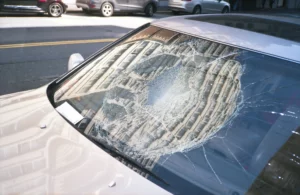
Being involved in a car accident is already stressful, but learning that the at-fault driver has no insurance can make the situation even more overwhelming. Many victims immediately assume they are out of options and will have to absorb the financial fallout on their own. In reality, uninsured motorist accident claims may still provide a path to compensation, depending on the insurance policy, the state, and the facts of the collision. Victims trying to better understand their rights after a crash can start by reviewing accident claim resources.
An uninsured driver case often feels unfair from the start. You did not cause the crash, yet you may now have to pursue recovery through your own insurance policy. That creates confusion for many people, especially when they assume their insurer will automatically pay fairly. In practice, these claims can become highly contested. Insurance companies may question injuries, dispute the extent of damages, or challenge the value of the claim. That is why understanding the process early matters. If you are not sure where your case stands, requesting a free case evaluation can help clarify what options may still be available.
What Is an Uninsured Motorist Accident Claim?
An uninsured motorist accident claim typically arises when a driver causes a collision without carrying valid auto insurance. Instead of pursuing compensation through that driver’s liability carrier, the injured victim may need to make a claim through uninsured motorist coverage under their own policy. Depending on the policy terms, that coverage may help pay for medical expenses, lost wages, pain and suffering, and other losses caused by the crash.
These claims matter because uninsured driving remains a real problem. Some drivers never buy insurance, some let policies lapse, and others may carry invalid or expired proof of coverage. When that driver causes an accident, the injured person is left facing the same physical and financial harm as in any other collision. uninsured driver accidents.
Why Uninsured Motorist Claims Can Become Complicated
Many people assume a claim through their own insurer will be simpler than one involving another driver’s insurance company. Unfortunately, that is not always the case. Insurance companies still protect their financial interests, even when the claim is made under your own policy. They may ask for detailed statements, challenge fault, argue that injuries were minor, or question whether treatment was reasonable and necessary.
In some cases, the insurer may even dispute whether the other driver was truly uninsured, especially if documentation is incomplete. This can delay payment and add frustration to an already difficult recovery. Victims should take these claims seriously from the beginning rather than assuming they will be resolved automatically. insurance claim disputes.
Common Situations That Lead to Uninsured Motorist Claims
Uninsured motorist claims can arise in many familiar accident scenarios. A driver may run a red light and crash into another vehicle without valid insurance. A distracted driver may rear-end someone and then admit they never carried coverage. In other situations, the at-fault driver may provide expired insurance information or a fake policy card after the crash. Sometimes the victim only discovers later that the other driver was not insured at all.
These collisions can cause the same serious harm as any other accident. Victims may suffer neck injuries, back injuries, traumatic brain injuries, fractures, and long-term soft tissue pain that interferes with work and daily life. The lack of insurance does not reduce the seriousness of the injuries. It only adds another layer of stress to the claim process.
What Coverage May Apply After a Crash With an Uninsured Driver
The most important coverage in these cases is usually uninsured motorist coverage, often called UM coverage. Depending on the policy, uninsured motorist bodily injury coverage may help pay for medical treatment, lost income, pain and suffering, and other crash-related damages. Some policies may also include uninsured motorist property damage coverage, which can help pay for repairs to the vehicle.
Other policy benefits may also come into play. Medical payments coverage or personal injury protection can sometimes help with treatment costs regardless of fault. Collision coverage may help repair or replace the vehicle even when the at-fault driver is uninsured. The exact combination of available coverage depends on the state and the language of the policy.
Why Medical Treatment Still Plays a Critical Role
Medical treatment is one of the most important parts of any uninsured motorist claim. If a victim delays care, the insurance company may argue that the injuries were not serious or were unrelated to the accident. Prompt evaluation helps connect symptoms to the crash and builds the medical record needed to support compensation.
Emergency room records, urgent care notes, diagnostic imaging, specialist evaluations, physical therapy reports, prescriptions, and long-term treatment plans can all become essential evidence. Injuries that seem minor at first can worsen with time, especially neck and back injuries.whiplash and soft tissue injuries.
Evidence That Strengthens an Uninsured Motorist Accident Claim
Strong evidence remains critical even when the at-fault driver has no insurance. Victims should preserve photographs of the vehicles, roadway conditions, visible injuries, debris, and anything else that helps show how the crash happened. Witness names and contact information can also become very important if the insurer later disputes fault.
The police report may carry added weight in these cases, especially if it documents that the other driver failed to provide insurance or was cited after the crash. Medical bills, towing invoices, repair estimates, rental car receipts, and proof of lost wages should all be saved carefully. Organized records make it easier to show the full extent of the damages accident evidence and documentation.
What Compensation May Be Available
Uninsured motorist accident claims may include compensation for a range of financial and non-financial losses. Medical bills are often the most immediate category, especially when treatment continues for weeks or months. Victims may also recover lost wages if injuries kept them from working. In more serious cases, future medical care and reduced earning ability may also become part of the claim.
Pain and suffering may be a significant component as well. Physical discomfort, emotional stress, reduced mobility, sleep problems, and changes to daily life can all affect the value of a claim. In some cases, property damage may also be recoverable through available coverage. pain and suffering compensation.
How Insurance Companies Try to Limit Recovery
Insurance companies often look for ways to reduce the value of uninsured motorist claims. They may argue that injuries were minor, claim that treatment was excessive, or say that some symptoms existed before the collision. They may also question wage loss claims or push back on future treatment costs.
Another common tactic is to rely heavily on policy language. The insurer may argue that coverage exclusions apply, that limits are lower than the victim expected, or that not every requested damage falls within the UM policy. These disputes can become technical quickly, which is why victims should document the claim carefully and avoid casual statements that may later be used against them. dealing with insurance adjusters.
When an Uninsured Motorist Claim Becomes a Legal Matter
Some uninsured motorist claims are resolved through routine insurance negotiation, but others become formal disputes. If the insurance company denies the claim, delays the process, makes an unreasonably low offer, or refuses to fairly evaluate serious injuries, stronger legal action may be necessary.
These cases may become even more complicated when multiple policies are involved, when there are questions about household coverage, or when disputes arise over stacking limits. A case that initially seems simple can turn into a much more technical fight over policy language and damages personal injury claim process.
How Victims Can Protect Their Rights After the Crash
The best way to protect an uninsured motorist claim is to act early and stay organized. Report the accident promptly. Seek medical care. Preserve photos and police records. Save every document related to treatment, repairs, prescriptions, towing, lost income, and communication with the insurance company.
A written recovery journal can also help support the claim. Notes about pain levels, missed work, interrupted sleep, limited movement, and emotional stress may help demonstrate how the injury changed day-to-day life. Those details often matter when insurers question pain and suffering or the seriousness of the injuries.
Conclusion
An uninsured driver can create serious financial and legal problems after a collision, but that does not mean injured victims are without options. Uninsured motorist accident claims may still allow recovery for medical expenses, lost wages, pain and suffering, and other damages when the at-fault driver failed to carry proper coverage.
👉 Get a Free Case Evaluation
https://help4accidents.com/get-a-free-case-evaluation-page/