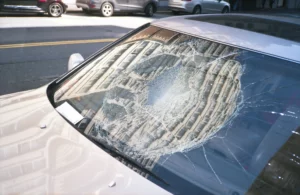
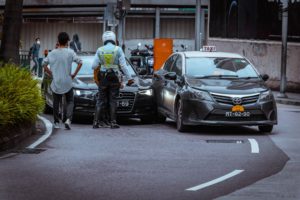
Traffic lights are designed to prevent chaos at intersections. When they fail, showing conflicting signals, going dark, or cycling incorrectly, the result is often a serious crash within seconds. Drivers usually have no warning and no safe way to react.
After a traffic signal malfunction accident, insurance companies often blame “driver confusion” or claim the crash was unavoidable. In reality, many signal failures are preventable, and liability may rest with government agencies, contractors, or maintenance providers.
If you were injured in an accident caused by a malfunctioning traffic signal, understanding who is responsible is critical before accepting any settlement.
How Traffic Signal Malfunctions Cause Accidents
Traffic signal failures create dangerous conditions such as:
- Conflicting green lights
- Signals stuck on red or green
- Completely dark intersections
- Delayed or erratic light changes
- Missing pedestrian signals
At busy intersections, even a brief malfunction can lead to catastrophic T-bone or multi-vehicle crashes.
If your crash involved a side-impact collision, see:
T-bone accidents: who is at fault and what are your legal options?
Common Causes of Traffic Signal Malfunctions
Signal failures are often linked to:
- Electrical or power failures
- Poor maintenance or inspections
- Aging or defective signal equipment
- Storm or wind damage
- Construction activity damaging wiring
- Delayed repairs after reports
If storms played a role, see:
Wind-related accidents: who is responsible when gusts cause crashes?
Common Types of Traffic Signal Malfunction Accidents
Malfunctioning signals frequently cause:
- T-bone (side-impact) collisions
- Multi-vehicle pileups
- Pedestrian or cyclist strikes
- Rear-end collisions at dark intersections
- Conflicting left-turn crashes
If multiple vehicles were involved, read:
Multi-car pileup accidents: who is at fault and how claims work
Who May Be Liable for a Traffic Signal Malfunction Accident?
Liability depends on who owned the signal, who maintained it, and how quickly the issue was addressed.
1. Government Agencies (City, County, or State)
Government entities may be liable if they:
- Failed to maintain traffic signals
- Ignored prior malfunction complaints
- Delayed repairs
- Failed to provide temporary traffic control
- Did not install backup power systems
Traffic signals are considered critical safety infrastructure, requiring regular inspection and prompt repair.
2. Private Contractors or Maintenance Companies
Many municipalities outsource signal maintenance.
Contractors may be responsible if they:
- Performed faulty repairs
- Failed to inspect signals properly
- Left wiring or components unsafe
- Ignored known defects
If construction was involved, see:
Construction zone accidents: who is liable when road work causes a crash?
3. Power Companies or Utility Providers
Utility companies may share liability if:
- Power outages caused the signal failure
- Backup systems failed
- Restoration was unreasonably delayed
For related infrastructure hazards, see:
Downed power line accidents: who is responsible for injuries?
4. Drivers (Limited Shared Fault)
Drivers may share limited fault if they:
- Ignored flashing red or yellow signals
- Failed to stop at dark intersections
However, conflicting green lights or sudden failures often remove a driver’s ability to react safely.
If fault is misassigned, read:
What if the police report is wrong after my car accident?
How Fault Is Proven in Traffic Signal Malfunction Claims
These cases rely heavily on technical and maintenance records.
Key evidence includes:
- Traffic signal maintenance logs
- Prior malfunction reports or complaints
- Intersection camera footage
- Traffic engineering records
- Power outage logs
- Police and accident reports
Signal data is often overwritten quickly, early investigation is critical.
Common Injuries in Traffic Signal Malfunction Accidents
Intersection crashes often result in serious injuries, including:
- Head and brain injuries
- Neck and spinal injuries
- Broken bones
- Internal organ damage
- Pedestrian or cyclist injuries
Symptoms may not appear immediately. Learn why prompt care matters:
Should you go to the hospital after a car accident even if you feel fine?
What Compensation Can You Recover?
Victims may be entitled to compensation for:
Medical Expenses
Including:
- Emergency treatment
- Hospitalization
- Diagnostic testing
- Surgery
- Long-term care
If you’re unsure who pays initially, read:
Who pays medical bills after an accident?
Lost Wages
Including:
- Missed work
- Reduced earning capacity
Learn more here:
How to recover lost wages after a car accident
Pain and Suffering
Intersection crashes often cause long-term physical and emotional trauma.
Learn how compensation is evaluated:
How much is pain and suffering worth after a car accident?
Property Damage
Including:
- Vehicle repairs or replacement
- Total loss claims
Why Insurance Companies Dispute Signal Malfunction Claims
Insurers often argue:
- Drivers should have treated the light as a stop sign
- The malfunction was sudden
- Fault cannot be proven
These defenses frequently ignore maintenance failures and prior warning signs.
If insurers request full medical access, read this first:
Insurance wants my medical records , what should I do?
If the offer seems unfair:
The truth about lowball settlement offers
Do You Need a Lawyer for a Traffic Signal Malfunction Accident?
Often, yes, especially when government agencies or contractors are involved.
A lawyer can:
- Secure traffic engineering and maintenance records
- Preserve camera and signal data
- Identify all responsible parties
- Handle government notice deadlines
- Maximize compensation
If you’re unsure what happens during the first call:
What to expect during a free consultation with a personal injury lawyer
Final Thoughts
Traffic signal malfunctions are not just technical glitches, they are serious safety failures. When agencies or contractors fail to maintain or repair signals properly, they can be held accountable for the injuries that follow.
Signal data disappears quickly, and deadlines are strict.
👉 Get a Free Case Evaluation
https://help4accidents.com/get-a-free-case-evaluation-page/
Find out who may be responsible and how much compensation you may be entitled to after a traffic signal malfunction accident.