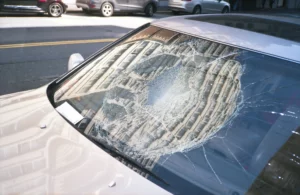
Heavy rain can turn a routine drive into a dangerous situation in seconds. When water builds up on the roadway, tires may lose contact with the pavement, causing a vehicle to hydroplane, skidding uncontrollably across the road.
Hydroplaning accidents often lead to serious crashes, yet fault is frequently disputed. Insurance companies commonly argue that drivers should have “driven more carefully,” even when poor road conditions or inadequate drainage played a major role.
If you were injured in a hydroplaning accident, understanding how fault is determined and who may be responsible is critical to protecting your claim.
What Is Hydroplaning?
Hydroplaning occurs when a layer of water builds up between a vehicle’s tires and the road surface, causing the tires to lose traction. When this happens, drivers may be unable to:
- Steer
- Brake
- Control speed
Even experienced drivers can lose control instantly.
Common Causes of Hydroplaning Accidents
Hydroplaning accidents are often caused by a combination of factors, including:
- Heavy rain or standing water
- Poor road drainage
- Worn or uneven pavement
- High speeds relative to conditions
- Bald or underinflated tires
- Sudden lane changes or braking
While driver behavior matters, road conditions frequently play a significant role.
Who Is Usually at Fault in a Hydroplaning Accident?
There is no automatic rule. Fault depends on why the vehicle hydroplaned and whether the hazard was avoidable.
1. The Driver (In Some Cases)
A driver may be found partially at fault if they were:
- Speeding for weather conditions
- Driving aggressively
- Ignoring weather warnings
However, driving below the speed limit does not automatically prevent hydroplaning, and it does not eliminate liability for unsafe road conditions.
2. Government Agencies (Poor Road Conditions)
Government entities may be responsible if hydroplaning occurred due to:
- Poor road drainage
- Standing water that regularly accumulates
- Worn pavement with inadequate friction
- Failure to correct known flooding hazards
If the roadway was unsafe due to maintenance failures, liability may extend beyond the driver.
For related issues, see:
Accidents caused by potholes or poor road maintenance: who is responsible?
3. Construction Companies or Contractors
Contractors may be liable if they:
- Altered drainage patterns
- Left uneven pavement
- Failed to address water pooling
- Did not post warning signs
If road work contributed to the crash, see:
Construction zone accidents: who is liable when road work causes a crash?
4. Other Drivers (Chain-Reaction Crashes)
Hydroplaning often leads to:
- Rear-end collisions
- Multi-car pileups
- Secondary impacts
If another driver’s loss of control caused your injuries, fault may still lie with them, or be shared among multiple parties.
If multiple vehicles were involved, see:
Multi-car pileup accidents: who is at fault and how claims work
How Fault Is Proven in Hydroplaning Claims
Evidence is crucial and often overlooked.
Key evidence includes:
- Photos or videos of standing water
- Drainage conditions at the scene
- Weather reports
- Dashcam footage
- Prior complaints about flooding
- Road design and maintenance records
- Police reports
If the police report is inaccurate or incomplete, this guide can help:
What if the police report is wrong after my car accident?
Common Injuries in Hydroplaning Accidents
Hydroplaning crashes often involve sudden loss of control and high-impact collisions.
Common injuries include:
- Head and brain injuries
- Whiplash and neck injuries
- Back and spinal injuries
- Broken bones
- Internal injuries
Symptoms may appear later. Learn why delayed injuries are common:
Should you go to the hospital after a car accident even if you feel fine?
What Compensation Can You Recover After a Hydroplaning Accident?
Victims may be entitled to compensation for multiple types of damages.
Medical Expenses
Including:
- Emergency care
- Diagnostic testing
- Physical therapy
- Surgery
- Long-term treatment
If you’re unsure who pays initially, read:
Who pays medical bills after an accident?
Lost Wages
If injuries prevent you from working, you may recover:
- Missed income
- Reduced earning capacity
Learn more here:
How to recover lost wages after a car accident
Pain and Suffering
Hydroplaning crashes often cause lasting physical pain and emotional distress.
Learn how this compensation is calculated:
How much is pain and suffering worth after a car accident?
Property Damage
Including:
- Vehicle repair or replacement
- Total loss compensation
Why Insurance Companies Dispute Hydroplaning Claims
Insurers often argue:
- The driver was going too fast
- Hydroplaning is “driver error”
- Weather excuses liability
These arguments are common, even when road conditions were unsafe.
If insurers request unrestricted medical records, read this first:
Insurance wants my medical records , what should I do?
If the settlement feels unfair:
The truth about lowball settlement offers
Do You Need a Lawyer for a Hydroplaning Accident?
Often, yes, especially when road conditions contributed to the crash.
A lawyer can:
- Identify all responsible parties
- Obtain road maintenance and drainage records
- Counter unfair blame-shifting
- Preserve weather and roadway evidence
- Maximize compensation
If you’re unsure what happens during the first call:
What to expect during a free consultation with a personal injury lawyer
Final Thoughts
Hydroplaning accidents are not always “just bad weather.” When roads are poorly designed, inadequately maintained, or dangerously flooded, responsibility may extend beyond the driver.
Fault depends on evidence, and evidence disappears quickly after storms.
👉 Get a Free Case Evaluation
https://help4accidents.com/get-a-free-case-evaluation-page/
Find out who may be responsible and how much compensation you may be entitled to after a hydroplaning accident.