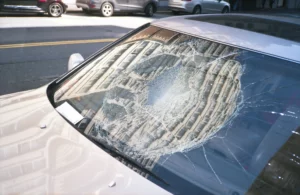
A t-bone accident can leave victims dealing with some of the most serious consequences seen in motor vehicle collisions. Also known as side-impact crashes, these accidents often happen when one vehicle strikes the side of another at an intersection, parking lot exit, or roadway crossing. Because the sides of passenger vehicles provide less protection than the front or rear, the force of impact can lead to major injuries, expensive treatment, lost income, and lasting physical pain. Victims trying to better understand their rights after a collision can begin by reviewing accident claim resources.
Many people assume fault in a t-bone accident is always obvious, but these claims are often more complicated than they first appear. Drivers may give conflicting stories about who had the green light, whether someone failed to yield, or whether speeding or distraction played a role. Insurance companies may take advantage of that uncertainty to delay or reduce payment. If you are unsure how your claim may be evaluated, requesting a free case evaluation can help you better understand your next steps.
Why T-Bone Accidents Are Often So Serious
Side-impact crashes are dangerous because the side of a vehicle does not absorb impact the same way the front and rear structures do. In many cases, there is only a door, window, and a small amount of frame between the occupant and the striking vehicle. That limited protection can lead to head trauma, spinal injuries, broken bones, internal injuries, and long-term mobility problems.
Common Causes of T-Bone Accidents
Many t-bone accidents occur at intersections, where drivers are expected to obey traffic signals, stop signs, and right-of-way rules. A common cause is running a red light or stop sign. In other cases, a driver may try to beat a yellow light, make an unsafe left turn, fail to yield while entering traffic, or misjudge the speed of an oncoming vehicle.
Distracted driving is also a major factor in many side-impact collisions. A driver looking at a phone, navigation screen, or something outside the vehicle may enter an intersection without seeing cross traffic. Speeding, impaired driving, fatigue, and poor visibility can all contribute as well. This paragraph works well with a related internal link on common car accident causes.
Who May Be Liable in a T-Bone Accident Claim
Liability in a t-bone crash is often tied to right-of-way. The driver who entered the intersection unlawfully, ignored a signal, or failed to yield may be the primary at-fault party. However, not every case is simple. One driver may claim they had the green light while the other says the same. In some collisions, both drivers may share some degree of fault depending on how the events unfolded.
Why Evidence Matters So Much in Side-Impact Cases
Evidence can make or break a t-bone accident claim because the central dispute is often about who had the legal right to proceed. Photographs of the crash scene, vehicle damage, skid marks, traffic lights, road signs, debris, and final vehicle positions can all help reconstruct what happened. The location of damage on the vehicles may also help show angle and direction of impact.
Witness statements are especially important in side-impact crashes. Independent witnesses may have seen which driver entered the intersection against the light or failed to yield. Police reports, dashcam footage, intersection camera footage, and nearby surveillance video can also be extremely helpful accident evidence and documentation.
Common Injuries in T-Bone Accident Claims
T-bone accidents frequently lead to severe injuries because the body absorbs force from the side in a way it is not well designed to handle. Victims may suffer concussions, traumatic brain injuries, rib fractures, pelvic injuries, spinal trauma, shoulder injuries, internal bleeding, and damage to the neck and back. Side window shattering and intrusion into the cabin can make the harm even worse.
Even when the crash seems moderate, symptoms may intensify in the hours or days afterward. Neck stiffness, dizziness, headaches, numbness, back pain, and limited movement may all grow more severe with time. Because of that, side-impact accident victims should not assume they are fine simply because they were able to leave the scene whiplash and soft tissue injuries.
Why Prompt Medical Treatment Is So Important
Prompt medical care serves two critical purposes after a t-bone collision. First, it protects the victim’s health by identifying serious injuries early, including ones that may not be immediately obvious. Second, it creates a medical record that connects those injuries to the crash. Insurance companies often look for gaps in treatment or delays in reporting symptoms so they can argue that the injuries were minor or unrelated.
Emergency room records, imaging, specialist evaluations, therapy notes, prescriptions, and follow-up treatment can all strengthen the claim. Consistent care also helps show that the injuries had a genuine effect on daily life and were not exaggerated after the fact. Anyone dealing with ongoing pain after a side-impact crash should consider a free case evaluation while continuing appropriate medical treatment.
What Compensation May Be Available
T-bone accident claims may include compensation for both financial and non-financial losses. Medical bills are often substantial, especially when the crash causes fractures, surgery, rehabilitation, or long-term treatment. Victims may also recover lost wages if they miss work, and in more serious cases they may claim reduced future earning ability.
Pain and suffering may also be a major part of the case. Side-impact crashes often leave victims with chronic discomfort, emotional stress, driving anxiety, reduced independence, and significant disruption to daily life. Property damage may also be extensive depending on the force of the impact pain and suffering compensation.
How Insurance Companies May Challenge the Claim
Insurance companies often scrutinize t-bone accident claims closely because fault is frequently disputed. An insurer may argue that their driver had the right-of-way, that the victim misjudged traffic, or that another factor caused the crash. In some cases, insurers may try to assign partial blame to the injured person to reduce the amount they have to pay.
They may also minimize the injuries, question whether treatment was necessary, or claim that some symptoms existed before the collision. That is why victims should be cautious when speaking with adjusters and avoid guessing or speculating about details they do not fully know dealing with insurance adjusters.
When a T-Bone Accident Claim Becomes a Legal Matter
Some side-impact accident cases are resolved through standard insurance negotiations, but many become legal matters because liability is contested and injuries are serious. If the insurer denies responsibility, delays the case, or offers far less than the damages appear to justify, stronger legal action may be necessary.
These cases may require accident reconstruction, detailed review of intersection evidence, witness analysis, and a close look at medical documentation. The more serious the injury and the greater the dispute over right-of-way, the more likely it is that formal legal action may be needed. This section can connect to personal injury claim process.
How Victims Can Protect Their Rights After a Side-Impact Crash
Victims can protect their claim by acting early and staying organized. Seek immediate medical care. Take photographs if possible. Keep the police report, repair estimates, receipts, prescriptions, wage loss records, and every written communication from insurers. If there were witnesses, preserve their names and contact details.
A written recovery journal can also help support the case. Daily notes about pain levels, missed work, sleep problems, difficulty driving, mobility issues, and emotional stress can help show the real-life impact of the crash. Those details often matter when an insurer tries to minimize the human cost of the collision.
Conclusion
T-bone accident claims are often more complex than they look from the outside. What begins as an intersection crash can quickly turn into a dispute over right-of-way, injury severity, and insurance responsibility. Victims may find themselves dealing with serious medical treatment, lost income, property damage, and conflicting versions of what happened.
👉 Get a Free Case Evaluation
https://help4accidents.com/get-a-free-case-evaluation-page/