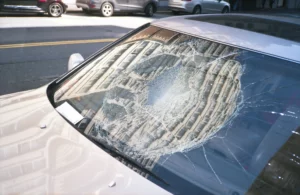
A single-vehicle accident can leave an injured victim facing serious medical bills, lost income, emotional stress, and major confusion about whether compensation is still possible. Many people assume that if only one vehicle was involved, there is no claim to pursue. In reality, single-vehicle accident claims can be more complex than they first appear. A solo crash may involve dangerous road conditions, vehicle defects, poor maintenance, another driver who left the scene, or other outside factors that contributed to the wreck. Victims trying to better understand their options after a serious collision can begin by reviewing accident claim resources.
These cases often become difficult because insurance companies may immediately try to place all blame on the injured driver. That does not mean their position is correct. A vehicle may leave the roadway because another driver forced it out of the lane, because a tire failed, because the road was unsafe, or because visibility and warnings were inadequate. In many situations, the cause of the crash is not obvious without a careful review of the evidence. If you are unsure how your case may be evaluated, requesting a free case evaluation can help clarify your next steps.
Why Single-Vehicle Accident Claims Can Be More Complicated Than They Look
At first glance, a solo crash may seem simple. One vehicle left the roadway, struck an object, rolled over, or crashed without another car remaining at the scene. But the legal analysis is often more complicated than that. A single-vehicle wreck may still involve multiple causes and multiple responsible parties.
Insurance companies often treat these cases skeptically because they assume the driver must have made a mistake. Sometimes that is true, but not always. A sudden obstruction, an animal in the roadway, an unmarked construction zone, loose gravel, poor drainage, or a defective vehicle component may all contribute to the event. This section can be strengthened with a related internal link on proving fault after an accident.
Common Causes of Single-Vehicle Accidents
Single-vehicle crashes happen for many reasons. Some involve driver error, such as speeding, distraction, fatigue, or overcorrection. Others happen because the driver is forced into an emergency maneuver by something unexpected. A person may swerve to avoid another driver, react to debris in the roadway, or lose control because of water buildup, a damaged shoulder, or a sharp curve with poor warning signs.
When Another Party May Still Be Liable
One of the most important questions in a single-vehicle claim is whether someone other than the injured driver contributed to the crash. Another driver may have cut the victim off, drifted into their lane, or driven aggressively enough to force an evasive maneuver. Even if there was no direct contact, that outside driver may still be relevant to the claim if the evidence supports what happened.
Why Evidence Matters So Much in a Solo Crash Claim
Evidence is especially important in single-vehicle accident cases because insurers often start from the assumption that the driver was entirely at fault. Strong documentation can help show that the situation was more complex. Photos of the roadway, shoulder, skid marks, debris, weather conditions, damaged barriers, standing water, potholes, warning signs, and vehicle damage may all become important.
Common Injuries in Single-Vehicle Accident Claims
Single-vehicle crashes can cause extremely serious injuries, especially when the accident involves a rollover, impact with a fixed object, or high-speed departure from the roadway. Victims may suffer traumatic brain injuries, spinal trauma, fractures, internal injuries, chest injuries, facial trauma, nerve damage, and long-term mobility problems.
Even when the crash appears survivable from the outside, the physical toll can be substantial. Neck pain, back pain, dizziness, numbness, headaches, and emotional distress may all worsen in the hours or days after the event. These injuries can disrupt work, sleep, mobility, and daily life for a long time. This section is a strong fit for an internal link on whiplash and soft tissue injuries.
Why Prompt Medical Treatment Is So Important
Prompt medical care is essential after a single-vehicle crash for both health and legal reasons. Some serious injuries are not immediately obvious, especially internal trauma, concussions, spinal injuries, and soft tissue damage. Early treatment helps identify those problems before they become worse.
Medical treatment also creates the record needed to support the claim. Insurance companies often look for delays in treatment as a reason to argue that the injuries were not serious or were unrelated to the crash. Emergency room notes, hospital records, imaging, specialist evaluations, prescriptions, therapy reports, and follow-up care can all become key evidence. Anyone dealing with ongoing pain or uncertainty after a solo crash should consider a free case evaluation while continuing appropriate medical care.
What Compensation May Be Available
Single-vehicle accident claims may still involve substantial compensation depending on the cause of the crash and the extent of the injuries. Medical expenses are often a major part of the case, especially when treatment includes emergency care, surgery, hospitalization, physical therapy, or long-term rehabilitation. Lost wages may also be recoverable if the injuries kept the victim from working.
In more serious cases, compensation may also include reduced future earning ability, future treatment costs, property damage, and pain and suffering. Emotional stress, physical pain, loss of mobility, and disruption to daily life can all affect case value. If another driver, manufacturer, or roadway entity contributed to the crash, the claim may be much stronger than it first appeared. This is a natural place to add an internal link on pain and suffering compensation.
How Insurance Companies May Challenge the Claim
Insurance companies often challenge single-vehicle accident claims aggressively. They may argue that the injured driver was speeding, overcorrected, drove carelessly, ignored weather conditions, or otherwise caused the crash entirely. In some cases, they may dismiss the possibility that another driver or another dangerous condition played any role at all.
They may also minimize the injuries, question the necessity of treatment, or dispute future damages. When a product defect or roadway hazard is alleged, insurers may push back even harder because those claims can significantly increase exposure. This paragraph works well with an internal link on dealing with insurance adjusters.
When a Single-Vehicle Accident Claim Becomes a Legal Matter
Some single-vehicle cases are handled through insurance negotiation, but many become legal matters because causation is disputed. If the insurer denies the claim, insists the driver was fully responsible, or refuses to fairly consider outside contributing factors, stronger legal action may become necessary.
These cases often require deeper investigation than standard accident claims. Vehicle inspection, engineering analysis, roadway review, expert reconstruction, and detailed medical evidence may all become important. When a product defect, government issue, or unidentified third-party driver is involved, the case can become especially technical. This section can connect to personal injury claim process.
How Victims Can Protect Their Rights After a Solo Crash
Victims can protect their rights by acting quickly and staying organized. Seek medical care right away. Preserve photographs of the scene, the vehicle, roadway conditions, skid marks, barriers, and anything unusual that may have contributed to the crash. Keep police reports, towing documents, repair estimates, hospital records, prescriptions, receipts, and written insurance communications.
A recovery journal can also help support the case. Notes about pain levels, sleep problems, mobility limitations, emotional distress, missed work, and treatment progress can help show how the crash affected day-to-day life. Those details often matter when an insurer tries to reduce the claim’s value.
Conclusion
Single-vehicle accident claims are often misunderstood. What may look like a simple driver-error crash can actually involve dangerous road conditions, vehicle defects, outside driver conduct, or other factors that deserve careful investigation. Victims may be left dealing with severe injuries, major bills, lost income, and difficult questions about whether compensation is still possible.
👉 Get a Free Case Evaluation
https://help4accidents.com/get-a-free-case-evaluation-page/