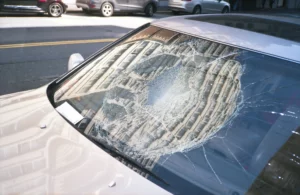
A rollover accident is one of the most violent and dangerous types of traffic collisions. When a vehicle tips onto its side or flips completely over, the force involved can leave occupants with severe injuries, major emotional trauma, and long-lasting financial consequences.
Many people assume rollover accidents only happen in high-speed highway crashes, but that is not always true. A rollover can happen after a sideswipe, a sharp overcorrection, a collision with another vehicle, an impact with a curb, or a loss of control on wet pavement. These cases are often more complex than they first appear because there may be multiple contributing factors, including driver negligence, road conditions, vehicle design, or mechanical failure. If you are unsure how your case may be evaluated, requesting a free case evaluation can help clarify your next steps.
Why Rollover Accidents Are Often So Severe
Rollover crashes are dangerous because they involve violent motion from several directions at once. Occupants may be thrown sideways, forward, downward, or even partially ejected depending on the severity of the crash and whether restraints were used properly. The roof
Common Causes of Rollover Accidents
Many rollover accidents begin with a loss of control. Speeding, aggressive steering, distracted driving, fatigue, and impaired driving can all cause a driver to leave the roadway or make a sudden maneuver that destabilizes the vehicle. SUVs, vans, and trucks may have a higher center of gravity, which can make them more vulnerable to rollover in certain situations.
Who May Be Liable in a Rollover Accident Claim
Liability in a rollover case is not always limited to the driver of the overturned vehicle. In some accidents, another driver may be at fault for forcing the victim off the road, striking the vehicle, or creating a hazardous traffic situation. In others, the rollover may be linked to reckless driving, intoxication, distraction, or unsafe speed by the driver operating the vehicle that flipped.
There may also be cases where a third party shares responsibility. A vehicle manufacturer may become relevant if roof crush, tire failure, or instability problems contributed to the crash. A government entity or contractor may also be relevant if dangerous road design, missing warnings, or poor maintenance played a role.
Why Evidence Matters So Much in Rollover Cases
Evidence is critical in a rollover claim because these crashes often involve disputed questions about speed, steering input, vehicle stability, and impact sequence. Photos of the scene, the roadway, skid marks, tire tracks, vehicle damage, roof crush, debris, and the final resting position of the vehicle can all be extremely important. The physical evidence may help explain whether the rollover was caused by driver conduct, road conditions, or a defect.
Common Injuries in Rollover Accident Claims
Rollover crashes frequently cause serious injuries because of the violent movement inside the vehicle. Victims may suffer traumatic brain injuries, spinal cord injuries, neck and back trauma, broken ribs, shoulder injuries, pelvic fractures, facial injuries, lacerations, and internal bleeding. If there is roof intrusion or partial ejection, the injuries may become even more catastrophic.
Some victims also deal with long-term symptoms that do not fully appear right away. Headaches, dizziness, numbness, chronic pain, reduced mobility, sleep disruption, and emotional distress are common after severe rollover events. Because of that, accident victims should never assume they are uninjured simply because they survived the crash. This section is a strong fit for an internal link on whiplash and soft tissue injuries.
Why Prompt Medical Treatment Is So Important
Prompt medical care is essential after a rollover accident. First, it helps identify serious injuries that may not be immediately obvious, including internal injuries, spinal damage, and traumatic brain injuries. Second, it creates the medical record needed to connect those injuries directly to the crash.
Insurance companies often search for treatment gaps to argue that injuries were not serious or were unrelated to the accident. Emergency room notes, imaging, hospital records, specialist evaluations, physical therapy reports, prescriptions, and follow-up treatment can all become central pieces of the claim. Anyone dealing with ongoing pain or uncertainty after a rollover crash should consider a free case evaluation while continuing appropriate medical care.
What Compensation May Be Available
Rollover accident claims may involve substantial damages because these crashes often produce serious injuries and major life disruption. Medical expenses may include emergency treatment, hospitalization, surgery, rehabilitation, medication, physical therapy, and future medical care. Victims may also recover lost wages if the injuries prevent them from working.
In more serious cases, compensation may also include reduced future earning ability, long-term assistance needs, property damage, and pain and suffering. Chronic pain, emotional trauma, driving anxiety, reduced independence, and loss of enjoyment of life may all affect the value of the claim. This is a natural place to add an internal link on pain and suffering compensation.
How Insurance Companies May Challenge the Claim
Insurance companies often defend rollover cases aggressively because the injuries can be severe and the financial exposure may be high. They may argue that the victim was speeding, overcorrected, failed to wear a seatbelt, or otherwise contributed to the severity of the crash. In some cases, they may dispute how the rollover started or whether all the claimed injuries were caused by the event.
Insurers may also challenge future treatment needs, lost earning ability, or non-economic damages such as pain and suffering. Because of these issues, victims should be careful in conversations with adjusters and avoid making guesses about technical details they do not fully understand. This paragraph works well with an internal link on dealing with insurance adjusters.
When a Rollover Accident Claim Becomes a Legal Matter
Some rollover claims resolve through normal insurance negotiations, but many become legal matters because liability is disputed or the injuries are especially serious. If the insurer denies the claim, delays the process, or offers far less than the damages appear to justify, stronger legal action may become necessary.
These cases may require accident reconstruction, vehicle inspection, engineering review, medical analysis, and a close look at long-term damages. When commercial vehicles, product defects, or roadway hazards are involved, the case can become even more technical. This section can connect to personal injury claim process.
How Victims Can Protect Their Rights After a Rollover Crash
Victims can protect their claim by acting quickly and staying organized. Seek medical evaluation immediately. Preserve all photographs, bills, discharge papers, prescriptions, repair or total-loss documents, wage loss records, and written communications from insurers. If there were witnesses, keep their names and contact information whenever possible.
A written recovery journal can also help support the case. Notes about pain levels, sleep problems, difficulty moving, missed work, emotional stress, and treatment progress may help show how the crash affected daily life. These details often matter when the insurer tries to minimize the human impact of the accident.
Conclusion
Rollover accident claims are often far more complicated than they first appear. What may look like a single-vehicle crash can actually involve multiple legal and factual issues, including road conditions, vehicle stability, third-party negligence, or product defects. Victims may be left dealing with severe injuries, large medical bills, lost income, and long-term emotional and physical hardship.
👉 Get a Free Case Evaluation
https://help4accidents.com/get-a-free-case-evaluation-page/