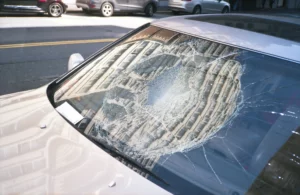
A head-on collision is one of the most dangerous types of motor vehicle accidents. When two vehicles strike each other from the front, the force of impact can be devastating, especially when both vehicles are moving at speed. Victims often suffer severe injuries, long recovery periods, major financial losses, and overwhelming emotional stress. Even when a person survives the initial crash, the long-term medical and financial consequences can be life-changing. Victims looking for guidance after a serious collision can begin by reviewing accident claim resources.
Many people assume that fault in a head-on crash will always be obvious, but these claims can still become complicated. One driver may have crossed the center line, entered the wrong lane, or attempted an unsafe pass, but insurers may still investigate every detail to reduce the value of the claim. In some cases, there may be disputes over road conditions, visibility, intoxication, or whether another factor contributed to the collision. If you are trying to understand how your claim may be evaluated, a free case evaluation can help clarify your next steps.
Why Head-On Accidents Are Often So Severe
Head-on crashes are uniquely dangerous because the force of both vehicles combines at the moment of impact. Unlike lower-force side contact or minor rear-end collisions, a head-on crash often produces extreme damage to the front structure of each vehicle and violent trauma to the occupants inside. Even when modern safety systems help reduce some of the harm, victims may still suffer catastrophic injuries.
Common Causes of Head-On Collisions
Many head-on collisions happen because one driver crosses into the wrong lane of travel. Distracted driving is a major cause. A driver who looks down at a phone, navigation system, or another distraction may drift over the center line without realizing it. Fatigue is another major factor, especially when a tired driver briefly falls asleep and veers into oncoming traffic.
Who May Be Liable in a Head-On Accident Claim
In many head-on accident claims, liability centers on which driver entered the wrong lane or failed to maintain safe control of the vehicle. A driver who crosses the center line, drives the wrong direction, or attempts an unsafe maneuver is often the primary at-fault party. However, some cases are more complicated and may involve additional responsible parties.
For example, a commercial vehicle driver, delivery van operator, rideshare driver, or employer-owned vehicle may be involved. In rare cases, roadway design issues, missing signage, defective vehicle parts, or dangerous construction conditions may also become relevant. This section is a natural fit for an internal link on proving fault after an accident.
Why Evidence Matters So Much in Head-On Collision Cases
Evidence is critical in any serious accident claim, but it is especially important in head-on cases because the injuries are often severe and the damages can be significant. Photos of the roadway, skid marks, impact points, debris, vehicle positions, weather conditions, and visible injuries can all help establish how the crash happened. The location of the vehicles after impact may also help show which driver crossed into the wrong lane.
Police reports, witness statements, dashcam footage, nearby surveillance recordings, and accident reconstruction can all become important. In serious injury cases, insurers often examine every available detail before deciding how much to pay. This paragraph supports an internal link on accident evidence and documentation.
Common Injuries in Head-On Accident Claims
Head-on crashes frequently cause some of the most severe injuries seen in car accident claims. Victims may suffer traumatic brain injuries, spinal trauma, broken bones, chest injuries, internal bleeding, pelvic injuries, facial injuries, nerve damage, and permanent mobility limitations. Even with seatbelts and airbags, the force of impact can be overwhelming.
In some cases, victims face months of recovery, surgery, rehabilitation, and ongoing pain. Others may be left with permanent disability or lasting emotional trauma connected to the crash. Even when a victim initially believes they escaped the worst, symptoms may intensify over time. This section is a strong fit for an internal link on whiplash and soft tissue injuries.
Why Prompt Medical Treatment Is So Important
Immediate medical care is essential after a head-on collision. First, it helps identify life-threatening or serious injuries that may not be obvious right away. Second, it creates a clear medical record linking those injuries to the crash. Insurance companies often use gaps in treatment to argue that injuries were not as serious as claimed or were caused by something else.
Emergency room notes, imaging studies, hospital records, specialist evaluations, surgery records, prescriptions, physical therapy reports, and follow-up care can all play a central role in the case. Consistent treatment helps show that the injuries required real care and had a real effect on the victim’s life. Anyone dealing with ongoing pain or uncertainty after a severe crash should consider a free case evaluation while continuing appropriate medical care.
What Compensation May Be Available
Head-on accident claims may involve substantial compensation because the injuries are often severe and the impact on daily life can be extensive. Medical expenses may include emergency care, hospitalization, surgery, physical therapy, medication, rehabilitation, and future medical needs. Victims may also recover lost wages when they are unable to work during recovery.
In more serious cases, claims may also include reduced future earning ability, long-term care needs, home assistance costs, and pain and suffering damages. Emotional distress, physical pain, reduced mobility, and loss of enjoyment of life can all affect the value of the case. This is a natural place to add an internal link on pain and suffering compensation.
How Insurance Companies May Challenge the Claim
Even when liability seems strong, insurance companies may still look for ways to reduce exposure. They may question injury severity, argue that some symptoms existed before the crash, or suggest that medical treatment was excessive. In some cases, they may try to assign partial blame to the victim to reduce the amount they owe.
Insurers may also challenge future treatment projections, wage loss calculations, or non-economic damages such as pain and suffering. Because the financial stakes are often high in head-on collisions, these claims can become heavily contested. This paragraph works well with an internal link on dealing with insurance adjusters.
When a Head-On Accident Claim Becomes a Legal Matter
Some head-on accident cases resolve through standard insurance negotiations, but many become legal matters because the injuries are severe and the damages are high. If the insurer denies full responsibility, delays the case, or makes an offer that does not reflect the seriousness of the harm, stronger legal action may become necessary.
These cases may require detailed evidence review, accident reconstruction, medical analysis, and a close evaluation of long-term damages. When a commercial vehicle, company-owned vehicle, or multiple defendants are involved, the claim may become even more complex. This section can connect to personal injury claim process.
How Victims Can Protect Their Rights After a Head-On Crash
Victims can protect their claim by acting quickly and staying organized. Seek medical treatment immediately. Preserve photographs, vehicle damage records, bills, discharge papers, repair estimates, prescriptions, wage loss documents, and communications from insurers. If there were witnesses, keep their contact information as well.
A written recovery journal can also help support the claim. Notes about pain, missed work, mobility limitations, sleep disruption, emotional stress, and treatment progress may help show how the crash changed everyday life. These details often matter when insurers try to minimize the human effect of the accident.
Conclusion
Head-on accident claims are rarely simple because the injuries are often severe, the damages are often high, and insurers may challenge nearly every part of the case. Victims may be left dealing with emergency medical treatment, long recovery periods, lost income, emotional trauma, and difficult questions about fault and compensation.
👉 Get a Free Case Evaluation
https://help4accidents.com/get-a-free-case-evaluation-page/