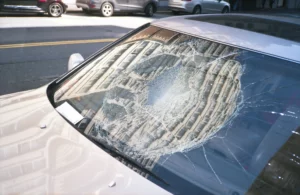
Construction zone accidents can leave victims facing a confusing and stressful recovery process. Work zones often involve narrowed lanes, uneven pavement, reduced speed limits, shifting traffic patterns, heavy equipment, and sudden stops that make collisions more likely. When a crash happens in one of these areas, the injuries can be severe and the legal issues can become more complicated than in a normal roadway accident. Victims trying to better understand their recovery options after a serious collision can begin by reviewing accident claim resources.
Many people assume a construction zone crash is just another car accident, but these cases often involve extra layers of liability and evidence. A negligent driver may still be the main cause, but unsafe signage, missing warnings, poor traffic control, road hazards, or contractor mistakes may also play a role. Insurance companies may try to simplify the case and place blame on one driver alone, even when the facts are more complex. If you are unsure how your case may be evaluated, requesting a free case evaluation can help clarify your next steps.
Why Construction Zone Accidents Are Often More Serious
Construction zones are dangerous because they reduce the room drivers have to react safely. Lanes may be narrower than normal, shoulders may disappear, barriers may force traffic closer together, and speed changes may happen quickly. Drivers often have less margin for error, which means even a minor mistake can lead to a major collision.
These crashes can also become more severe because construction areas may include stopped traffic, concrete barriers, work vehicles, and heavy machinery. A driver who fails to slow down may cause a chain-reaction collision or force another vehicle into a barrier or closed lane.
Common Causes of Construction Zone Accidents
Many construction zone crashes happen because drivers fail to adapt to changing road conditions. Speeding through a work zone is one of the most common causes. A driver who does not slow down for narrowed lanes, merging traffic, or stopped vehicles may cause a serious collision.
Distracted driving is also a major issue in work zones. Drivers may focus on equipment, workers, signs, or traffic shifts and still miss what is happening directly ahead. Tailgating, unsafe lane changes, sudden braking, poor visibility, fatigue, and aggressive driving can all contribute. In some cases, the construction layout itself may be unsafe because warnings are missing or traffic is not directed properly.
Who May Be Liable in a Construction Zone Accident Claim
Liability in a construction zone crash is not always limited to one driver. In many cases, a negligent motorist is still the primary at-fault party. A driver who was speeding, texting, following too closely, or ignoring traffic warnings may be directly responsible for the collision.
However, some work zone cases also involve other potentially liable parties. A contractor, subcontractor, traffic control company, government entity, or road maintenance company may become relevant if the crash was linked to poor signage, missing cones, unsafe lane shifts, unmarked hazards, or negligent work zone setup.
Why Evidence Matters So Much in Work Zone Cases
Evidence is especially important in construction zone accident claims because the road conditions may change quickly after the crash. Signs may be moved, cones may be repositioned, equipment may be relocated, and temporary traffic patterns may disappear. That means victims should preserve as much documentation as possible as early as possible.
Photos of the scene can be extremely important. Images of lane shifts, warning signs, pavement conditions, barriers, debris, heavy equipment, skid marks, and vehicle damage may all help explain what happened. Witness statements, police reports, dashcam footage, traffic camera footage, and construction records may also become critical.
Common Injuries in Construction Zone Accident Claims
Construction zone crashes often cause serious injuries because of limited escape space and the presence of hard barriers and equipment. Victims may suffer whiplash, back injuries, spinal trauma, concussions, broken bones, chest injuries, facial trauma, internal injuries, and long-term nerve pain.
Even when the initial collision does not seem catastrophic, symptoms may become worse over time. Headaches, neck stiffness, numbness, dizziness, limited mobility, and emotional stress are all common after a serious roadway crash. Victims should not ignore these symptoms simply because they were able to leave the scene. This section is a strong fit for an internal link on whiplash and soft tissue injuries.
Why Prompt Medical Treatment Is So Important
Prompt medical care is critical after a construction zone accident. First, it protects the victim’s health by identifying injuries early, including injuries that may not be obvious right away. Second, it creates the treatment record needed to connect those injuries directly to the collision.
Insurance companies often search for delays in treatment and then argue that the injuries were minor or unrelated. Emergency room records, imaging, prescriptions, specialist evaluations, therapy notes, and follow-up treatment can all help strengthen the claim. Anyone dealing with pain or uncertainty after a work zone crash should consider a free case evaluation while continuing appropriate medical care.
What Compensation May Be Available
Construction zone accident claims may include compensation for both economic and non-economic losses. Medical expenses are often one of the largest parts of the claim, especially when treatment includes emergency care, hospitalization, physical therapy, specialist care, surgery, or long-term rehabilitation. Victims may also recover lost wages if the injuries prevented them from working.
In more serious cases, compensation may also include reduced future earning ability, future treatment costs, property damage, and pain and suffering. Physical pain, emotional stress, reduced mobility, and disruption to daily life can all affect case value. This is a natural place to add an internal link on pain and suffering compensation.
How Insurance Companies May Challenge the Claim
Insurance companies often challenge construction zone accident claims by trying to reduce the case to a simple driver-error story. They may argue that the injured victim failed to slow down, did not pay attention, or contributed to the crash in some other way. If several drivers were involved, each insurer may try to blame someone else.
They may also dispute the seriousness of the injuries, question whether treatment was necessary, or argue that road conditions were obvious enough that no contractor or outside party should be blamed. Because of that, victims should be cautious in conversations with adjusters and avoid making guesses about technical details they do not fully know.
When a Construction Zone Accident Claim Becomes a Legal Matter
Some construction zone accident claims settle through normal insurance negotiations, but many become legal matters because liability is contested or multiple parties are involved. If the insurer delays the claim, denies responsibility, or offers far less than the damages justify, stronger legal action may become necessary.
These cases may require deeper review of road design, contractor records, traffic control plans, signage placement, crash evidence, and medical documentation. When a government agency, contractor, or commercial vehicle is involved, the legal issues can become more technical than in a standard car accident case. This section can connect to personal injury claim process.
How Victims Can Protect Their Rights After the Crash
Victims can protect their rights by acting early and staying organized. Seek medical care promptly. Preserve photographs of the vehicles, roadway, signs, cones, barriers, equipment, and visible injuries. Keep police reports, medical bills, prescriptions, repair records, wage loss documents, and all written insurance communications. If there were witnesses, save their names and contact information.
A written recovery journal can also help support the case. Notes about pain levels, missed work, treatment progress, sleep problems, physical limitations, and emotional stress can help show how the crash affected daily life. These details often matter when an insurer tries to reduce the value of the claim.
Conclusion
Construction zone accident claims are often more complicated than they first appear because the crash may involve not only negligent drivers, but also changing roadway conditions, contractor mistakes, or inadequate warnings. Victims may be left dealing with medical treatment, lost income, property damage, and difficult questions about who is truly responsible.
👉 Get a Free Case Evaluation
https://help4accidents.com/get-a-free-case-evaluation-page/