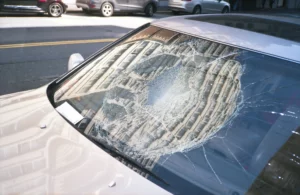
Many people assume that if a car accident looks minor, the injuries must be minor too. That assumption is one of the biggest reasons accident victims underestimate their condition, delay medical care, and accept weak settlement offers. A crash does not need to involve dramatic vehicle damage to leave someone with real pain, mobility problems, headaches, or long-term complications.
The answer is yes. Even a low-speed collision can produce injuries that affect your health, work, and daily life. In fact, some of the most disputed injury claims come from crashes that insurance companies try to label as “small” or “insignificant.”
At Help4Accidents, we help accident victims understand why seemingly minor crashes should still be taken seriously from both a medical and claims perspective.
Why a Minor-Looking Crash Can Still Hurt You
Vehicle damage and physical injury are not always equal. Modern cars are built to absorb impact in ways that may reduce visible destruction, but the human body can still be jolted, twisted, or strained during the collision. Even if the bumper damage looks limited, the force on your neck, back, shoulders, and spine can still be meaningful.
This is why low-speed crashes can still lead to pain and disruption. A “minor” accident scene does not automatically mean the body escaped without harm. If you are reviewing the first steps you should take after any collision, our guide on what to do after a car accident is a useful place to start.
Insurance Companies Often Use the “Minor Impact” Argument
One of the most common insurer tactics in these cases is to argue that the crash was too small to cause real injury. They may point to limited vehicle damage and suggest that the claim is exaggerated. That can create pressure on injured people to doubt themselves or settle for less than the case may deserve.
But visible vehicle damage is only one part of the picture. Medical records, symptoms, treatment history, and the effect on daily life matter far more than the insurer’s opinion about how the cars look. We discuss similar tactics in low settlement offers after an accident.
Common Injuries in Low-Speed or Minor Car Accidents
Even a crash that appears small can lead to injuries such as:
- Whiplash
- Neck strain
- Back pain
- Shoulder injuries
- Soft tissue damage
- Headaches
- Nerve irritation
- Muscle spasms
- Reduced range of motion
- Delayed soreness and stiffness
These injuries may not always show up immediately. Some people feel mostly fine at first and then develop pain over the next several hours or days. Our article on what if you feel fine after a car accident but get pain later explains why delayed symptoms are so common.
Pain From a Minor Crash Can Still Disrupt Daily Life
A low-speed accident injury may not send someone to the hospital by ambulance, but it can still interfere with work, sleep, driving, lifting, exercise, childcare, and everyday routines. Neck stiffness can make it hard to turn your head. Back pain can make sitting or standing uncomfortable. Headaches can affect concentration and productivity.
That means the real impact of the crash may show up in the days and weeks after the accident, not just at the scene. This is one reason a recovery journal and organized records can be so useful.
Medical Evaluation Still Matters
A common mistake after a minor accident is assuming treatment is unnecessary because the crash “wasn’t that bad.” That can be a costly decision. Delayed treatment can make recovery harder and can also weaken your claim by creating gaps the insurance company will use against you.
Photos and Documentation Can Be Critical in These Cases
Because insurers often challenge minor-impact cases, documentation becomes especially important. Useful evidence can include:
- Photos of vehicle damage
- Photos of the accident scene
- Police report details
- Medical records
- Witness statements
- Repair estimates
- Records of missed work
- Notes about pain and daily limitations
The stronger your documentation, the harder it becomes for the insurer to dismiss the case as unimportant. Our article on what evidence helps the most in a car accident claim explains how this proof can shape the outcome of a claim.
Your Early Statements Can Also Affect the Case
In minor crash cases, insurance companies often look closely at what you said in the first hours after the accident. If you told the other driver, the police, or the adjuster that you were “fine,” they may later use that statement to argue that your injuries were not real or serious.
The problem is that many people say they are fine before they truly know how they feel. Stress and adrenaline can mask symptoms, especially right after impact. Our article on should you talk to the other driver’s insurance company after an accident explains why early conversations should be handled carefully.
Fault Disputes Can Make Minor Crash Claims Harder
If the insurer is already trying to minimize the injury, it may also try to shift fault. That combination can weaken a claim quickly if the evidence is thin. Even when liability is shared or disputed, that does not automatically eliminate the possibility of recovery.
What matters is how well the facts are documented and how the claim is presented. If fault is part of the issue in your case, our guide on can you still get compensation if you were partly at fault in a car accident may help.
Social Media Can Undermine a “Minor Injury” Claim
Minor crash cases are already vulnerable to insurer skepticism, so social media can create extra trouble. A single photo, comment, or activity post may be used out of context to argue that you were not really injured or that your pain was minimal.
That is why it is best to avoid posting about the accident, your condition, or physical activities while the claim is ongoing. Our article on how social media can affect injury claims explains why this risk should not be underestimated.
Waiting Too Long Can Make a Small Case Look Weaker
When someone waits too long to seek treatment or gather documentation, the insurer may use that delay to argue that the injury was not serious. In a minor crash case, that argument can become even more aggressive because the company is already trying to downplay the event itself.
Acting promptly helps preserve evidence, connect symptoms to the crash, and reduce avoidable claim issues. Our guide on how long after a car accident can you file a claim explains why timing matters more than many people realize.
A Minor Accident Does Not Automatically Mean a Minor Claim
The biggest misunderstanding in these cases is assuming that small vehicle damage means small human consequences. That is simply not always true. Some of the most persistent accident-related pain begins in crashes that looked manageable at the scene.
The severity of a claim should be based on what happened to your body and your life, not just what happened to the car. If the accident left you with pain, missed work, treatment needs, or daily limitations, it deserves to be taken seriously.
Conclusion
The answer is yes. Low-speed and minor-looking crashes can still lead to whiplash, back pain, headaches, soft tissue damage, and other injuries that affect your routine and your recovery.
👉 Get a Free Case Evaluation
https://help4accidents.com/get-a-free-case-evaluation-page/