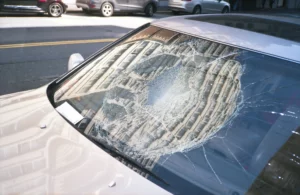
Sideswipe accidents may look less dramatic than head-on crashes or high-speed rear-end collisions, but they can still leave victims with serious injuries, expensive repairs, and difficult insurance disputes. These crashes often happen when one vehicle drifts into another lane, changes lanes without enough clearance, merges improperly, or fails to check blind spots. Even when the initial impact seems minor, a sideswipe collision can trigger loss of control, secondary impacts, spinouts, or crashes into barriers and other vehicles. Victims who want a better understanding of their recovery options can start by reviewing accident claim resources.
Many people assume a sideswipe crash will be easy to resolve because the contact may appear limited compared to other collisions. In reality, these claims are often heavily disputed. Each driver may blame the other for drifting, merging unsafely, or failing to maintain lane position. Insurance companies may use that uncertainty to reduce the value of the case or deny liability altogether. If you are unsure how your claim may be evaluated, requesting a free case evaluation can help you better understand your next steps.
Why Sideswipe Accidents Can Be More Serious Than They Seem
A sideswipe crash can quickly become more dangerous than the initial contact suggests. A vehicle struck from the side may be forced into another lane, into oncoming traffic, off the roadway, or into a median barrier. In some cases, the driver loses control while trying to correct the vehicle’s movement, which can turn a seemingly minor lane-contact collision into a major wreck.
These accidents are especially dangerous at highway speeds, where even a small change in direction can lead to a rollover, multi-vehicle pileup, or impact with roadside structures. The seriousness of the outcome often depends on speed, traffic density, weather, and driver reaction in the seconds after impact. This section can be strengthened with a related internal link on serious accident injuries.
Common Causes of Sideswipe Accidents
Sideswipe crashes usually happen because one driver fails to stay safely within their lane or moves into another lane without enough space. Blind-spot failures are among the most common causes. A driver may begin merging without checking mirrors properly, without turning to confirm clearance, or while focusing on another distraction.
Distracted driving is also a major factor. Looking at a phone, adjusting navigation, reaching for an object, or simply losing attention for a moment can cause a driver to drift into the next lane. Fatigue, impaired driving, speeding, aggressive driving, and poor weather conditions can also contribute to these collisions. This paragraph works well with a related internal link on common car accident causes.
Who May Be Liable in a Sideswipe Accident Claim
Liability in a sideswipe case usually depends on which driver failed to maintain their lane or made an unsafe lane change. In many situations, the driver who moved out of their lane improperly will be the primary at-fault party. However, not every claim is straightforward. Both drivers may argue that the other drifted first, especially when there are no independent witnesses.
There may also be cases where more than one party shares blame. A commercial vehicle driver, delivery van operator, rideshare driver, or company-owned fleet vehicle may be involved. In other cases, roadway design, missing lane markings, or construction zone confusion may complicate the liability analysis. This section is a natural fit for an internal link on proving fault after an accident.
Why Evidence Matters So Much in Sideswipe Cases
Evidence is critical in a sideswipe accident claim because the central dispute often comes down to lane position and vehicle movement in the seconds before impact. Photos of the crash scene, vehicle damage, debris, skid marks, lane markings, and surrounding traffic conditions can all help show how the collision occurred. The exact damage pattern on each vehicle may also help establish which car intruded into the other’s lane.
Dashcam footage can be especially valuable in these cases. Independent witness statements can also make a major difference, especially when both drivers offer conflicting versions of events. Police reports, repair estimates, and nearby surveillance footage may all help strengthen the claim. This paragraph supports an internal link on accident evidence and documentation.
Common Injuries in Sideswipe Accident Claims
Even though sideswipe collisions are often described as glancing impacts, they can still cause painful and lasting injuries. Victims may suffer neck strain, back injuries, shoulder trauma, arm injuries, wrist injuries, concussions, and soft tissue damage caused by sudden twisting and bracing during the impact. If the vehicle spins, rolls, or crashes into another object afterward, the injuries may become much more severe.
Some symptoms may not fully appear until hours or days after the crash. Headaches, stiffness, numbness, dizziness, and reduced mobility are common after a lane-change collision. That is why accident victims should not dismiss the crash simply because they were able to leave the scene. This section is a strong fit for an internal link onUnderstanding Whiplash Injuries: Symptoms, Treatment, and Legal Options whiplash and soft tissue injuries.
Why Prompt Medical Treatment Is So Important
Prompt medical care protects both your health and your legal claim. Insurance companies often look for any delay in treatment as an opportunity to argue that the injury was minor, unrelated, or exaggerated. When symptoms are documented early, it becomes easier to connect them to the collision and show that the crash had a real physical impact.
Medical records such as emergency room notes, urgent care visits, imaging, specialist consultations, therapy reports, prescriptions, and follow-up visits can all help support the value of the case. Consistent treatment also shows that recovery required real time, effort, and expense. Anyone dealing with lingering pain after a sideswipe collision should consider a free case evaluation while continuing appropriate medical treatment.
What Compensation May Be Available
Sideswipe accident claims may include compensation for both economic and non-economic damages. Medical expenses are often one of the largest categories, especially when the victim needs ongoing treatment, therapy, or specialist care. Lost wages may also be part of the claim if the injuries prevented the victim from working.
In more serious cases, compensation may also include reduced future earning ability, future treatment costs, and pain and suffering. Property damage may be significant as well, especially when a sideswipe leads to additional collisions or structural damage to the vehicle. Emotional stress, driving anxiety, and disruption to daily life may also affect case value. This is a natural place to add an internal link on pain and suffering compensation.
How Insurance Companies May Challenge the Claim
Insurance companies often challenge sideswipe claims because the facts are easier to dispute than in some other accidents. An adjuster may argue that both drivers were partially at fault, that the victim drifted first, or that the physical damage does not fully support the version of events being presented. These arguments are often used to reduce the payout or shift blame.
Insurers may also minimize the injuries by arguing that a sideswipe is a low-impact crash that should not have caused serious symptoms. That is why victims should be cautious when discussing the case and avoid making guesses about details they are not sure about. This paragraph works well with an internal link on dealing with insurance adjusters.
When a Sideswipe Accident Claim Becomes a Legal Matter
Some sideswipe cases are resolved through routine insurance negotiation, but others become legal matters because liability is sharply contested or the injuries are more serious than the insurer wants to acknowledge. If the carrier denies fault, offers too little, or delays resolution, stronger legal action may become necessary.
These cases may require a more detailed review of impact angles, lane positions, witness statements, damage patterns, and medical evidence. When commercial vehicles or multiple defendants are involved, the claim can become even more technical. This section can connect to personal injury claim process.
How Victims Can Protect Their Rights After a Sideswipe Crash
Victims can strengthen their claim by acting quickly and staying organized. Seek medical evaluation as soon as possible. Take photographs of all vehicle damage and the roadway if it is safe to do so. Keep the police report, repair estimates, receipts, prescriptions, wage loss documentation, and written communications from insurers.
A written recovery journal can also be useful. Notes about pain levels, missed work, difficulty driving, emotional stress, mobility issues, and treatment progress can help show how the crash affected day-to-day life. Those details often matter when an insurance company tries to minimize the claim.
Conclusion
Sideswipe accident claims are often more complicated than they first appear. What seems like a simple lane-contact collision can quickly become a dispute over lane position, driver negligence, injury severity, and insurance responsibility. Victims may be left dealing with medical bills, lost income, property damage, and conflicting stories about what really happened.
👉 Get a Free Case Evaluation
https://help4accidents.com/get-a-free-case-evaluation-page/