Pedestrian accidents often lead to some of the most serious injuries in any traffic-related claim. Unlike drivers and passengers, pedestrians have no vehicle frame, seatbelt, or airbag protecting them during impact. Even a crash at moderate speed can leave a victim with broken bones, head trauma, internal injuries, lost income, and long-term physical pain. For many injured people, the financial and emotional impact begins immediately after the collision and continues long after the scene is cleared. Victims trying to better understand their legal options after a serious crash can begin by reviewing accident claim resources.
Many people assume a driver is always automatically at fault when a pedestrian is hit, but these claims can still become heavily disputed. Insurance companies may argue that the pedestrian crossed outside a marked area, stepped into traffic unexpectedly, or contributed to the crash in some way. Even when the driver was clearly negligent, the insurer may still challenge the severity of the injuries or try to reduce the value of the case. If you are unsure how your claim may be evaluated, requesting a free case evaluation can help clarify your next steps.
Why Pedestrian Accidents Are Often So Serious
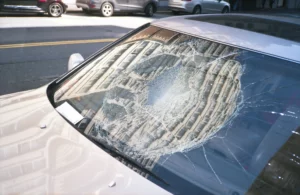
Pedestrian collisions are especially dangerous because the human body absorbs the full force of the impact. A victim may first be struck by the front of the vehicle, then thrown onto the hood, windshield, pavement, or another nearby object. That sequence of impact often causes multiple injuries at once and can leave lasting physical and emotional damage.
These crashes are serious even at lower speeds. A turning vehicle, reversing vehicle, or slowly moving car in a parking lot can still knock a person to the ground and cause head, neck, spine, or limb injuries. At higher speeds, the damage is often catastrophic. This section can be strengthened with a related internal link on serious accident injuries.
Common Causes of Pedestrian Accidents
Many pedestrian accidents happen because drivers fail to notice people in or near the roadway. Distracted driving is one of the biggest causes. A driver looking at a phone, adjusting navigation, or focusing on traffic in another direction may miss someone in a crosswalk or stepping into a legal crossing area.
Other common causes include speeding, failure to yield, running red lights or stop signs, backing up without checking carefully, impaired driving, drowsy driving, and poor visibility. Pedestrian crashes are also common in parking lots, neighborhoods, school zones, intersections, and areas with poor lighting. This paragraph works well with a related internal link on common car accident causes.
Who May Be Liable in a Pedestrian Accident Claim
In many pedestrian accident claims, the primary at-fault party is the driver who failed to use reasonable care. A driver who ignored a crosswalk, turned without looking, reversed carelessly, or failed to slow down in a pedestrian-heavy area may be legally responsible for the injuries that followed.
However, not every case involves only one negligent driver. A commercial vehicle operator, delivery driver, rideshare driver, property owner, maintenance company, or even a government entity may become relevant depending on the location and circumstances of the crash. In some cases, poor lighting, obstructed visibility, broken signals, or unsafe lot design may contribute as well. This section is a natural fit for an internal link on proving fault after an accident.
Why Evidence Matters So Much in Pedestrian Cases
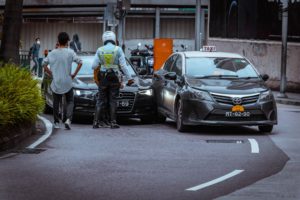
Evidence is critical in a pedestrian injury case because insurers often look for ways to question exactly where the victim was standing, how they entered the roadway, and whether the driver had enough time to react. Photos of the scene, crosswalk markings, traffic signals, skid marks, nearby signs, lighting conditions, and the final position of the vehicle can all help explain what happened.
Witness statements are especially important in pedestrian accidents. Independent witnesses may confirm that the victim had the right-of-way or that the driver was distracted, speeding, or careless. Police reports, dashcam footage, surveillance video, business security footage, and scene measurements may also become extremely valuable. This paragraph supports an internal link on accident evidence and documentation.
Common Injuries in Pedestrian Accident Claims
Pedestrian accidents frequently cause severe and life-changing injuries. Victims may suffer traumatic brain injuries, spinal trauma, broken hips, fractured legs, pelvic injuries, rib injuries, facial trauma, internal bleeding, nerve damage, and deep soft tissue injuries. Because the body is exposed directly to both the vehicle and the ground, multiple injuries often happen in the same event.
Some injuries are visible right away, while others worsen over time. Headaches, dizziness, numbness, limited mobility, back pain, sleep disruption, and emotional trauma may all intensify in the hours and days after the collision. That is why victims should not delay treatment simply because they remained conscious or were able to move after the crash. This section is a strong fit for an internal link on whiplash and soft tissue injuries.
Why Prompt Medical Treatment Is So Important
Prompt medical care is one of the most important steps after a pedestrian accident. First, it protects the victim’s health by identifying serious injuries early, including internal injuries and head trauma that may not be obvious at the scene. Second, it creates a medical record linking the injuries directly to the crash.
Insurance companies often search for delays in treatment and then argue that the injuries were minor or unrelated. Emergency room records, ambulance reports, imaging, prescriptions, specialist evaluations, therapy records, and follow-up care can all help support the claim. Anyone dealing with pain or uncertainty after being hit by a vehicle should consider a free case evaluation while continuing appropriate medical care.
What Compensation May Be Available
Pedestrian accident claims may include compensation for both economic and non-economic losses. Medical expenses are often substantial, especially when treatment includes hospitalization, surgery, rehabilitation, mobility assistance, specialist care, or long-term therapy. Victims may also recover lost wages if the injuries prevented them from working.
In more serious cases, compensation may also include reduced future earning ability, future medical needs, pain and suffering, emotional distress, and loss of normal daily function. Physical pain, reduced independence, trauma around walking near traffic, and long-term life disruption may all affect case value. This is a natural place to add an internal link on pain and suffering compensation.
How Insurance Companies May Challenge the Claim
Insurance companies often challenge pedestrian accident claims by arguing that the victim entered traffic suddenly, crossed outside the proper area, failed to watch for vehicles, or was partially responsible for the collision. Even when the driver was clearly negligent, insurers may still try to reduce the claim by shifting part of the blame.
They may also question treatment, minimize long-term symptoms, or argue that some physical problems existed before the crash. Because of that, victims should be cautious when speaking with adjusters and avoid guessing about details they are not fully sure about. This paragraph works well with an internal link on dealing with insurance adjusters.
When a Pedestrian Accident Claim Becomes a Legal Matter
Some pedestrian accident claims settle through standard insurance negotiations, but many become legal matters because the injuries are serious and the insurer refuses to fairly evaluate fault or damages. If the insurance company delays the case, denies responsibility, or offers much less than the damages justify, stronger legal action may become necessary.
These cases may require deeper review of signal timing, video footage, witness testimony, roadway conditions, medical evidence, and long-term recovery impact. When commercial vehicles, business property, or government roadway issues are involved, the claim can become even more technical. This section can connect to personal injury claim process.
How Victims Can Protect Their Rights After the Crash
Victims can protect their rights by acting quickly and staying organized. Seek medical care immediately. Preserve photographs of the scene, roadway markings, signals, visible injuries, clothing, and nearby conditions. Keep police reports, discharge papers, prescriptions, medical bills, wage loss documents, and all written insurance communications. If there were witnesses, preserve their names and contact details.
A written recovery journal can also help support the case. Notes about pain levels, mobility limits, missed work, emotional stress, sleep problems, treatment progress, and changes to daily routine can help show how the crash affected real life. These details often matter when an insurer tries to reduce the value of the claim.
Conclusion
Pedestrian accident claims are often more serious and more complex than they first appear. What begins as a roadway or crosswalk collision can quickly turn into a major dispute over right-of-way, injury severity, and insurance responsibility. Victims may be left dealing with treatment, lost income, pain, emotional trauma, and difficult questions about recovery.
👉 Get a Free Case Evaluation
https://help4accidents.com/get-a-free-case-evaluation-page/