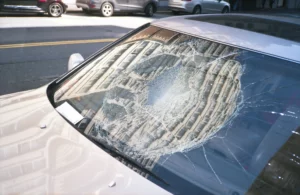
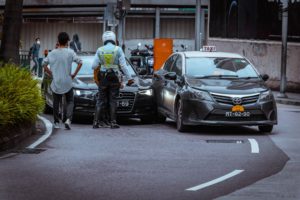
Parking lot accidents are often dismissed as minor, but that assumption can create real problems for injured victims. Even at lower speeds, a crash in a parking area can leave someone dealing with painful injuries, vehicle damage, medical treatment, insurance stress, and confusion about who was actually at fault. Because traffic moves in multiple directions and drivers are constantly backing out, turning, stopping, and searching for spaces, these collisions can become more complicated than they first appear. Victims trying to better understand their options after a crash can begin by reviewing accident claim resources.
Many people believe that parking lot crashes are too small to matter legally, but that is not always true. A low-speed impact can still cause whiplash, back pain, shoulder injuries, head injuries, and other complications that interfere with work and daily life. Fault can also be heavily disputed because drivers often give different accounts of who was moving, who had the right-of-way, and who failed to look carefully. If you are unsure how your case may be evaluated, requesting a free case evaluation can help clarify your next steps.
Why Parking Lot Accident Claims Can Be More Complicated Than They Look
Parking lots create unusual driving conditions. Vehicles may be backing out at the same time, pedestrians may be walking unexpectedly between parked cars, and drivers may be turning into tight aisles while looking for open spaces instead of fully focusing on traffic. These conditions make collisions more likely and make fault harder to sort out afterward.
Common Causes of Parking Lot Accidents
Many parking lot crashes happen because a driver is distracted. Looking for a space, checking a phone, talking to passengers, adjusting navigation, or focusing on nearby vehicles instead of directly ahead can all lead to a collision. Backing accidents are especially common because visibility is limited and two drivers may move at once without noticing each other.
Who May Be Liable in a Parking Lot Accident Claim
Liability in a parking lot crash often depends on the movement of the vehicles and whether one driver failed to use reasonable care. A driver backing out without checking properly may be at fault. A driver speeding through a parking aisle may also be responsible. In some situations, both drivers may share blame if both were moving carelessly at the same time.
Why Evidence Matters So Much in Parking Lot Cases
Evidence can be critical in a parking lot accident claim because drivers often disagree about basic facts. One person may say they were stopped, while the other says both vehicles were moving. One driver may claim the other backed out suddenly, while the other insists they had already entered the lane safely.
Photos of the vehicles, damage patterns, parking lines, stop signs, lot layout, lighting conditions, and nearby obstructions can help clarify what happened. Security camera footage is especially valuable in parking lot cases because many retail centers, office properties, and apartment complexes monitor these areas. Witness statements and police reports may also help strengthen the claim. This paragraph supports an internal link on accident evidence and documentation.
Common Injuries in Parking Lot Accident Claims
Parking lot crashes may happen at lower speeds, but they can still cause significant injuries. Victims may suffer whiplash, neck strain, back injuries, shoulder injuries, wrist injuries, knee injuries, concussions, and soft tissue damage. A person who braces for impact may experience lasting pain even when vehicle damage appears limited.
Pedestrians struck in parking lots may face even more serious harm because they have little protection from impact. Symptoms may also worsen over time, especially headaches, stiffness, numbness, limited motion, and nerve pain. This section is a strong fit for an internal link on whiplash and soft tissue injuries.
Why Prompt Medical Treatment Is So Important
One of the biggest mistakes after a parking lot crash is assuming the injuries are too minor to require medical attention. That can be risky for both health and the claim itself. Some injuries do not become fully painful until hours or days later, and waiting too long can give the insurance company an opening to argue that the injury was not serious or not caused by the crash.
Prompt treatment creates a record connecting the symptoms to the collision. Emergency care, urgent care visits, imaging, physical therapy, prescriptions, specialist evaluations, and follow-up appointments may all become important evidence. Anyone dealing with ongoing pain after a collision should consider a free case evaluation while continuing appropriate medical care.
What Compensation May Be Available
Parking lot accident claims may include compensation for both financial and non-financial losses. Medical expenses are often the first category people think about, especially when treatment includes evaluations, therapy, medication, or specialist care. Victims may also recover lost wages if their injuries forced them to miss work.
In more serious cases, a claim may also include reduced future earning ability, future treatment costs, property damage, and pain and suffering. Physical discomfort, emotional stress, reduced mobility, and disruption to daily life can all affect case value. This is a natural place to add an internal link on pain and suffering compensation.
How Insurance Companies May Challenge the Claim
Insurance companies often challenge parking lot accident claims by arguing that the collision was minor and could not have caused meaningful injury. They may also claim both drivers were equally at fault or say that the damage pattern does not support the victim’s version of events.
Insurers sometimes use the low-speed nature of the impact to minimize treatment, question whether symptoms are real, or argue that pre-existing conditions explain the pain. That is why victims should be careful when speaking with adjusters and avoid guessing about details they are not fully sure about. This paragraph works well with an internal link on dealing with insurance adjusters.
When a Parking Lot Accident Claim Becomes a Legal Matter
Some parking lot accident claims settle through ordinary insurance discussions, but others become legal matters because fault is disputed or the injuries turn out to be more serious than expected. If the insurer delays the case, denies responsibility, or offers far less than the damages justify, stronger legal action may become necessary.
These cases may require closer review of surveillance footage, lot layout, witness accounts, property conditions, medical records, and insurance positions. When pedestrian injuries or commercial property issues are involved, the claim can become even more technical. This section can connect to personal injury claim process.
How Victims Can Protect Their Rights After the Crash
Victims can protect their rights by acting quickly and staying organized. Take photographs of the scene, the vehicles, surrounding signs, parking lines, and any visible injuries. Preserve names and contact details for witnesses. Keep repair records, medical bills, prescriptions, wage loss documents, and all written insurance communications.
A written recovery journal can also help support the case. Notes about pain levels, treatment progress, difficulty driving, missed work, sleep problems, emotional stress, and daily limitations can help show how the crash affected real life. Those details often matter when an insurer tries to minimize the claim.
Conclusion
Parking lot accident claims are often underestimated, but they can involve real injuries, disputed liability, and frustrating insurance tactics. What appears to be a simple low-speed collision can quickly become a larger problem when medical symptoms grow, fault becomes unclear, or the insurer refuses to evaluate the case fairly.
👉 Get a Free Case Evaluation
https://help4accidents.com/get-a-free-case-evaluation-page/