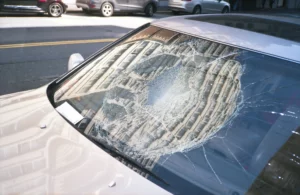
A hit-and-run accident occurs when a driver causes a crash and leaves the scene without providing contact or insurance information. These incidents are unfortunately common and can leave victims feeling frustrated, confused, and unsure how they will recover compensation.
Even if the at-fault driver cannot be identified, victims may still have options to recover damages through insurance coverage and legal claims.
This guide explains what to do after a hit-and-run accident, how insurance claims work, and how victims may still obtain compensation.
What Is a Hit and Run Accident?
A hit-and-run occurs when a driver involved in a collision:
- Leaves the accident scene
- Fails to provide identification or insurance information
- Does not report the crash to authorities
Hit-and-run accidents may involve:
- Vehicle collisions
- Pedestrian accidents
- Bicycle accidents
- Parked vehicle damage
These incidents are illegal in most jurisdictions and may carry criminal penalties.
What To Do Immediately After a Hit and Run
If the other driver flees the scene, taking the right steps quickly can help protect your safety and your claim.
1. Call Law Enforcement Immediately
Always report the accident to police. A police report is critical evidence in hit-and-run cases.
2. Gather Evidence at the Scene
Even if the driver leaves, evidence may still help identify them.
Important details include:
- License plate numbers (even partial)
- Vehicle make, model, and color
- Direction the vehicle traveled
- Witness statements
- Traffic camera footage
Photos and videos of the accident scene can also help support your claim.
3. Seek Medical Attention
Even if injuries seem minor, medical evaluation is important.
Some injuries appear hours or days later. Learn about delayed symptoms in hidden injuries after a car accident, which explains common injuries that appear later.
Medical documentation also strengthens your claim.
How Hit and Run Insurance Claims Work
When the at-fault driver cannot be identified, compensation may come from your own insurance policy.
Learn how uninsured claims work in uninsured driver accident claims, which explains compensation options when the other driver lacks coverage.
What Damages May Be Covered
Hit-and-run victims may be entitled to compensation for:
Medical Expenses
Emergency treatment, rehabilitation, and long-term care.
To understand how medical bills are handled, see who pays medical bills after a car accident, which explains insurance responsibility.
Lost Wages
If injuries prevent you from working.
Learn how wage losses are documented in how to recover lost wages after a car accident, which explains compensation requirements.
Property Damage
Repair or replacement of your vehicle.
To understand typical settlement ranges, read average car accident settlement amounts, which explains compensation expectations.
Can Police Find the Hit and Run Driver?
In many cases, hit-and-run drivers are eventually identified through:
- Traffic cameras
- Witness reports
- License plate tracking
- Nearby surveillance footage
If the driver is located, their insurance company may become responsible for damages.
Challenges in Hit and Run Claims
Hit-and-run accidents often involve:
- Limited evidence
- Unknown driver identity
- Insurance disputes
- Delayed investigations
Insurance companies may still attempt to reduce claim value.
Learn more about these tactics in insurance tactics after a car accident, which explains strategies insurers use during claim negotiations.
How Long Do Hit and Run Claims Take?
Hit-and-run claims may take longer because authorities must investigate the accident.
To understand claim timelines, see how long a car accident claim usually takes from start to settlement, which explains factors affecting claim duration.
Avoid Common Mistakes After a Hit and Run
After an accident, avoid actions that could weaken your claim.
Common mistakes include:
- Delaying medical treatment
- Failing to report the accident
- Accepting early settlement offers
- Posting accident details on social media
Learn more in what NOT to do after a car accident, which explains common claim-damaging mistakes.
When Should You Seek Additional Guidance?
You may want additional support if:
- Injuries are serious
- Insurance disputes coverage
- The driver cannot be identified
- Settlement offers seem too low
Final Thoughts
Hit-and-run accidents create additional challenges because the responsible driver may be unknown. However, victims may still recover compensation through uninsured motorist coverage, strong documentation, and timely action.
👉 Get a Free Case Evaluation
https://help4accidents.com/get-a-free-case-evaluation-page/