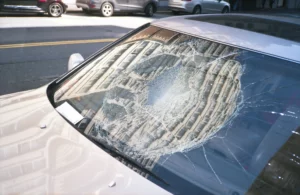
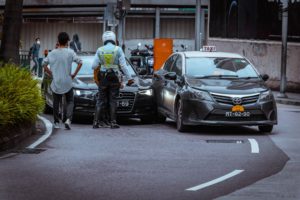
Fog is one of the most dangerous driving conditions because it eliminates visibility without warning. Unlike rain or snow, fog can roll in instantly, reducing sight distance to a few feet and making it nearly impossible to see stopped traffic, curves, intersections, or road hazards.
After a fog-related crash, insurance companies often argue that drivers should have slowed down or avoided driving altogether. In reality, liability is not automatic. Poor roadway design, missing warnings, inadequate lighting, or unsafe traffic management can shift responsibility away from the driver.
If you were injured in a fog-related accident, understanding how fault is determined and who may be liable is critical before accepting any settlement.
Why Fog Causes Serious Accidents
Fog creates multiple hazards at once:
- Severely reduced visibility
- Delayed reaction time
- Difficulty judging distance and speed
- Inability to see stopped or slowed traffic
- Increased glare from headlights
- Sudden lane departures
Dense fog is especially dangerous on highways, bridges, rural roads, and near bodies of water.
Common Types of Fog-Related Accidents
Fog frequently contributes to:
- Rear-end collisions
- Multi-car pileups
- Chain-reaction crashes
- Lane-departure accidents
- Head-on collisions
- Pedestrian and cyclist strikes
If multiple vehicles were involved, see:
Multi-car pileup accidents: who is at fault and how claims work
Who May Be Liable in a Fog-Related Accident?
Liability depends on visibility conditions, road safety measures, and whether reasonable precautions were taken.
1. The Driver (In Limited Situations)
A driver may share fault if they:
- Drove at excessive speed for visibility
- Followed too closely
- Failed to use headlights or fog lights
However, reduced visibility alone does not automatically make a driver at fault, especially when hazards were unavoidable.
2. Government Agencies (Unsafe Road Conditions)
Government entities may be liable if they:
- Failed to install fog-warning signs in known fog zones
- Did not activate electronic warning systems
- Failed to maintain reflective lane markings
- Allowed dangerous road design in fog-prone areas
If lighting also played a role, see:
Nighttime accidents caused by poor lighting: who is liable?
3. Construction Companies or Contractors
Contractors may be responsible if they:
- Failed to post warning signs in fog-prone construction zones
- Created confusing lane shifts without visibility aids
- Did not use reflective barriers or cones
If road work was involved, see:
Construction zone accidents: who is liable when road work causes a crash?
4. Missing or Inadequate Warning Systems
Liability may exist when:
- Fog-warning signs were missing
- Electronic alerts were inactive
- Road markings lacked reflectivity
For related signage issues, read:
Accidents caused by missing or obscured road signs: who is responsible?
5. Other Drivers (Chain-Reaction Crashes)
Fog often causes sudden stops and collisions.
If another driver struck you due to reduced visibility, fault may still lie with them, or be shared among multiple drivers.
For winter visibility issues, see:
Black ice accidents: proving fault when roads look clear
How Fault Is Proven in Fog-Related Claims
Fog cases rely heavily on objective evidence.
Important evidence includes:
- Weather and visibility reports
- Traffic camera footage
- Dashcam video
- Road-design and safety records
- Prior fog-related complaints or accidents
- Police reports and witness statements
Visibility conditions can change quickly, making early documentation essential.
If the police report is inaccurate, this may help:
What if the police report is wrong after my car accident?
Common Injuries in Fog-Related Accidents
Fog-related crashes often involve high-impact collisions.
Common injuries include:
- Head and brain injuries
- Neck and spinal injuries
- Broken bones
- Internal injuries
- Soft-tissue injuries
Symptoms may not appear immediately. Learn why delayed injuries are common:
Should you go to the hospital after a car accident even if you feel fine?
What Compensation Can You Recover After a Fog-Related Accident?
Victims may be entitled to compensation for:
Medical Expenses
Including:
- Emergency care
- Imaging and diagnostics
- Physical therapy
- Surgery
- Long-term treatment
If you’re unsure who pays initially, read:
Who pays medical bills after an accident?
Lost Wages
If injuries prevent you from working, you may recover:
- Missed income
- Reduced earning capacity
Who Pays for Medical Bills After an Accident? Learn more here:
How to recover lost wages after a car accident
Pain and Suffering
Fog-related crashes often cause lasting physical pain and emotional distress.
Learn how this compensation is calculated:
How much is pain and suffering worth after a car accident?
Property Damage
Including:
- Vehicle repair or replacement
- Total loss claims
Why Insurance Companies Dispute Fog-Related Claims
Insurers often argue:
- Drivers assumed the risk
- Fog excuses liability
- Reduced visibility equals driver fault
These defenses are common,even when safety failures contributed to the crash.
What If the Other Driver Has No Insurance?If insurers request unrestricted medical records, read this first:
Insurance wants my medical records ,what should I do?
If the offer feels unfair:
The truth about lowball settlement offers
Do You Need a Lawyer for a Fog-Related Accident?
Often, yes, especially when roadway safety or warning failures are involved.
A lawyer can:
- Identify all responsible parties
- Preserve visibility and roadway evidence
- Obtain safety and maintenance records
- Handle government notice deadlines
- Maximize compensation
If you’re unsure what happens during the first call:
What to expect during a free consultation with a personal injury lawyer
Final Thoughts
Fog-related accidents are not always unavoidable weather events. When roads lack proper warnings, lighting, or safety measures, responsibility may extend beyond the driver.
Visibility changes fast, and so does evidence.
👉 Get a Free Case Evaluation
https://help4accidents.com/get-a-free-case-evaluation-page/
Find out who may be liable and how much compensation you may be entitled to after a fog-related accident.