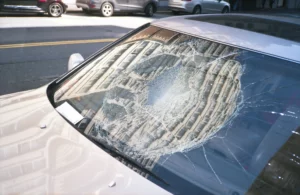
Drowsy driving accidents are often just as dangerous as other major negligence crashes, yet they do not always receive the same attention. A driver who is overly tired, sleep-deprived, or drifting in and out of alertness can miss traffic signals, leave their lane, fail to brake, or react too slowly to avoid a collision. For injured victims, the results may include severe physical pain, expensive treatment, lost income, emotional stress, and a long recovery process. Anyone trying to better understand their options after a crash can begin by reviewing accident claim resources.
Many victims assume that proving fatigue behind the wheel will be difficult, and in some cases it can be. Unlike alcohol-related crashes, there may not always be a chemical test showing impairment. Still, drowsy driving accident claims can be built through witness accounts, crash patterns, driver behavior, work schedules, vehicle movement, and other strong evidence. Insurance companies may still challenge fault or minimize the injuries, which is why these claims should be taken seriously from the beginning. If you are unsure how your case may be evaluated, requesting a free case evaluation can help clarify your next steps.
Why Drowsy Driving Accidents Are So Dangerous
Drowsy driving is dangerous because fatigue reduces reaction time, concentration, judgment, and awareness of surroundings. A tired driver may drift out of their lane, miss stopped traffic ahead, overlook road signs, or fail to notice a pedestrian or cyclist until it is too late. In the worst cases, the driver may briefly fall asleep at the wheel and travel a significant distance with no meaningful control of the vehicle.
These crashes often happen late at night, early in the morning, after long shifts, or during extended highway travel. Because the fatigued driver may not brake or swerve in time, the impact can be especially violent.
What Counts as Drowsy Driving
Drowsy driving generally refers to operating a vehicle while too tired to drive safely. That may involve a driver who has not had enough sleep, someone working long hours, a commercial operator pushing past safe limits, or a person whose medication or schedule has severely reduced alertness. A driver does not need to be fully asleep to be dangerously fatigued.
Even reduced attention can create major risk. A fatigued driver may experience delayed decision-making, poor lane control, and short lapses in concentration that make safe driving impossible. In some cases, the driver may not even realize how impaired they have become.
How Driver Fatigue Often Causes Serious Collisions
A fatigued driver may fail to stop in time, drift into oncoming traffic, veer onto the shoulder, miss curves, or strike other vehicles without warning. These errors often lead to violent crashes because fatigue tends to reduce both awareness and reaction. When a driver never reacts at all, the resulting impact can be severe.
Drowsy driving frequently contributes to rear-end accident claims, head-on accident claims, roadway departure crashes, and highway collisions where victims have little chance to avoid impact. Because fatigue can affect lane control and braking, the crash pattern may strongly suggest that the driver was not fully alert. This section is a natural fit for accident-related internal linking in a Help4Accidents article.
Who May Be Liable in a Drowsy Driving Accident Claim
In most drowsy driving accident claims, the primary at-fault party is the driver who chose to operate the vehicle while too fatigued to do so safely. A driver who knew, or should have known, that they were dangerously tired may be legally responsible if that fatigue contributed to the collision.
In some cases, liability may extend beyond the driver. If a commercial driver, delivery driver, rideshare operator, or employee was working under unsafe scheduling pressure, an employer may also become relevant depending on the facts. Company practices, unrealistic routes, or failure to follow safe driving policies can complicate the claim.
Why Evidence Matters So Much in Fatigue-Related Cases
Evidence is especially important in drowsy driving cases because the driver may deny being tired or may not admit how sleep-deprived they were before the crash. Strong evidence can help show that fatigue was a contributing factor even without a direct admission.
Photos of the vehicles, roadway, skid marks, lane position, and crash scene can help establish how the collision happened. Witness statements, police observations, dashcam footage, surveillance video, work logs, delivery schedules, time records, phone activity, and vehicle data may all help reveal what the driver was doing before impact.
Common Injuries in Drowsy Driving Accident Claims
Drowsy driving accidents can cause severe injuries because the fatigued driver may fail to brake or avoid impact. Victims may suffer whiplash, spinal trauma, concussions, traumatic brain injuries, broken bones, internal injuries, chest injuries, shoulder injuries, nerve damage, and long-term pain. The seriousness often depends on speed, angle of impact, and whether the crash involved secondary collisions.
Some symptoms may worsen with time. Headaches, stiffness, dizziness, numbness, back pain, and limited mobility can become more noticeable in the hours and days after the crash. Because of that, victims should not assume they are unharmed simply because they were able to leave the scene. This section is a strong fit for an internal link on whiplash and soft tissue injuries.
Why Prompt Medical Treatment Is So Important
Prompt medical care is one of the most important steps after a fatigue-related crash. First, it helps identify injuries early, including those that may not be immediately obvious. Second, it creates the medical record needed to connect the injuries directly to the accident.
Insurance companies often use treatment delays to argue that injuries were minor or unrelated. Emergency room notes, imaging, prescriptions, specialist evaluations, therapy records, and follow-up treatment can all help strengthen the claim. Anyone dealing with pain or uncertainty after a crash should consider a free case evaluation while continuing appropriate medical care.
What Compensation May Be Available
Drowsy driving accident claims may include compensation for both economic and non-economic losses. Medical expenses are often a major part of the case, especially when treatment includes emergency care, rehabilitation, specialist visits, therapy, surgery, or long-term follow-up care. Victims may also recover lost wages if the injuries prevent them from working.
In more serious cases, compensation may also include reduced future earning ability, future medical needs, property damage, and pain and suffering. Physical pain, emotional stress, driving anxiety, reduced mobility, and disruption to daily life can all affect the value of the claim. This is a natural place to add an internal link on pain and suffering compensation.
How Insurance Companies May Challenge the Claim
Insurance companies often challenge fatigue-related claims by arguing that drowsiness is hard to prove or that some other factor caused the crash. They may also dispute injury severity, minimize the need for treatment, or claim that the victim was partially responsible.
In some cases, they may argue that the driver’s fatigue is only speculation unless there is a direct statement, witness evidence, or outside records to support it. That is why careful documentation matters. Victims should be cautious in conversations with adjusters and avoid guessing about facts they do not fully know. This paragraph works well with an internal link on dealing with insurance adjusters.
When a Drowsy Driving Claim Becomes a Legal Matter
Some drowsy driving accident claims settle through normal insurance negotiations, but others become legal matters because fault is disputed or the injuries are especially serious. If the insurer delays the case, makes an unfairly low offer, or refuses to recognize strong evidence of fatigue, stronger legal action may become necessary.
These cases may require deeper review of schedules, logs, witness accounts, company expectations, crash evidence, and medical documentation. When a commercial vehicle or company-related trip is involved, the legal issues can become even more technical. This section can connect to personal injury claim process.
How Victims Can Protect Their Rights After the Crash
Victims can protect their rights by acting early and staying organized. Seek medical care promptly. Preserve photographs of the crash scene, vehicles, roadway, and visible injuries. Keep police reports, medical bills, prescriptions, repair records, wage loss documents, and all written communications from insurers. If there were witnesses, save their names and contact information.
A written recovery journal can also help support the case. Notes about pain levels, missed work, sleep problems, physical limitations, emotional stress, and treatment progress can help show how the collision affected daily life. These details often matter when an insurer tries to reduce the value of the claim.
Conclusion
Drowsy driving accident claims are often more serious than they first appear because fatigue can be just as dangerous as other forms of impairment. Victims may be left dealing with medical treatment, lost income, property damage, and insurance disputes while trying to prove that the at-fault driver was too tired to drive safely.
👉 Get a Free Case Evaluation
https://help4accidents.com/get-a-free-case-evaluation-page/