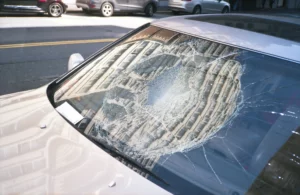
Important evidence can disappear quickly after a car accident. A damaged vehicle may be repaired or sent to a salvage auction. Surveillance footage may be overwritten. A commercial driver’s electronic records may be deleted under a routine retention schedule. Phone data, dashcam recordings, telematics, maintenance records, and photographs may also become unavailable while the insurance companies are still investigating.
A spoliation letter in a car accident case is a written notice instructing a person, company, or organization to preserve evidence that may be relevant to an anticipated or existing legal claim. It is also commonly described as an evidence-preservation letter or preservation notice.
The letter identifies the accident, describes the evidence that should be retained, and warns the recipient not to destroy, alter, overwrite, repair, dispose of, or otherwise make the evidence unavailable.
A preservation letter can be especially important when the evidence is controlled by someone other than the injured person. However, the letter is not a subpoena, does not automatically provide access to the evidence, and does not guarantee that a court will impose sanctions if something is lost.
At Help4Accidents, we help accident victims understand how evidence preservation may affect fault, insurance negotiations, and compensation after a collision.
What Does Spoliation of Evidence Mean?
Spoliation generally refers to the destruction, alteration, loss, concealment, or failure to preserve evidence that may be relevant to litigation.
In a car accident case, possible spoliation might involve:
- Repairing or destroying a vehicle before an inspection
- Erasing event data recorder information
- Overwriting dashcam or surveillance footage
- Deleting text messages or call records
- Disposing of damaged vehicle components
- Altering driver logs or maintenance records
- Deleting photographs or digital files
- Failing to suspend automatic data-deletion systems
- Selling a vehicle for salvage before interested parties can inspect it
Not every loss of evidence is intentional, and not every missing record qualifies for a legal remedy. Courts generally examine whether a preservation duty existed, whether reasonable steps were taken, whether the evidence can be restored or replaced, whether its loss caused prejudice, and—in some situations—whether the evidence was intentionally destroyed.
Federal Rule of Civil Procedure 37(e), which specifically addresses electronically stored information in federal civil cases, applies when relevant electronic information that should have been preserved is lost because reasonable preservation steps were not taken and the information cannot be restored or replaced.
Is a Spoliation Letter the Same as a Preservation Letter?
The terms are often used interchangeably in everyday legal discussions, but “preservation letter” is usually the more precise description of what the document does.
A preservation letter asks the recipient to retain evidence. A spoliation claim or motion generally concerns what happened after evidence was allegedly lost or destroyed.
A related term, litigation hold, often refers to an internal directive issued within an organization instructing employees or other custodians to suspend routine deletion and preserve potentially relevant documents and electronically stored information. A federal court educational resource describes a litigation hold as a written directive advising custodians to preserve potentially relevant documents and electronic data.
In practical terms:
- A claimant may send an external preservation letter to the other driver, trucking company, employer, insurer, repair facility, or another evidence holder.
- A company receiving that notice may then issue an internal litigation hold to the employees and systems controlling the information.
Why a Spoliation Letter May Matter After a Crash
Car accident evidence is often temporary.
A grocery store’s security system may automatically overwrite footage. A commercial vehicle may return to service. A totaled car may be moved to a salvage facility and sold. A phone may be replaced. A dashcam memory card may record over the collision. Electronic logs may be maintained only for a defined period.
Once evidence disappears, recreating it may be difficult or impossible.
A preservation letter can help by identifying the evidence while it still exists and documenting that the recipient was placed on notice that a legal claim was reasonably anticipated.
This is one reason evidence collection should begin as soon as possible. Our guide to what to do after a car accident explains the immediate steps that may help protect both the liability and injury portions of a claim.
When Does the Duty to Preserve Evidence Begin?
A preservation duty may arise before a lawsuit is formally filed. Under the federal framework for electronically stored information, relevant information may need to be preserved when litigation is pending or reasonably anticipated.
The committee notes to Rule 37 explain that courts commonly recognize a duty to preserve relevant information when litigation is reasonably foreseeable. Courts may consider when a party was placed on notice that litigation was likely and that particular information would be relevant.
The precise trigger and scope vary by jurisdiction and circumstances. Factors may include:
- The severity of the crash
- Notice of significant injuries
- A formal insurance claim
- A demand for evidence preservation
- Statements that legal action is likely
- Receipt of a claim or attorney letter
- A government or company investigation
- The filing of a lawsuit
A preservation letter can help clarify what evidence may be relevant, but it does not create unlimited preservation duties or automatically establish that every requested item must be retained forever.
When Should a Spoliation Letter Be Sent?
A preservation letter should generally be considered as soon as the potential evidence and the appropriate recipient can be identified.
Waiting until the insurance company denies the claim or until a lawsuit is filed may be too late. By then, a vehicle may have been repaired, video may have been overwritten, or electronic information may have disappeared through routine system operation.
Situations requiring particular urgency may include:
- A commercial truck or company vehicle was involved
- A rideshare driver was working through an app
- A driver may have been texting
- A vehicle contains event data recorder information
- A nearby camera may have captured the collision
- A defective vehicle component may have contributed
- A vehicle is at a salvage or storage facility
- A driver was working when the collision occurred
- Maintenance failures may have contributed
- A serious or fatal injury occurred
The letter should be sent early enough to give the recipient a realistic opportunity to preserve the material.
Who May Need to Receive the Letter?
The correct recipients depend on who possesses or controls the evidence.
A preservation notice may need to be directed to one or more of the following:
- The other driver
- The vehicle owner
- The driver’s employer
- A trucking or delivery company
- A rideshare or transportation company
- The vehicle insurer
- A towing or storage facility
- A repair shop
- A salvage company
- A vehicle manufacturer
- A maintenance contractor
- A business with surveillance cameras
- A government agency controlling traffic footage
- A fleet-management or telematics provider
Sending a letter only to the driver may not protect evidence stored by an employer, app platform, camera operator, or third-party technology provider.
At the same time, each recipient should receive a request tailored to the evidence that person or organization may actually possess, control, or have the ability to preserve.
What Evidence Should a Spoliation Letter Identify?
The letter should describe evidence with enough specificity that the recipient can understand what must be protected.
A generic instruction to “preserve everything” may be less effective than a focused notice connected to the accident date, location, vehicles, people, and disputed issues.
Relevant categories may include the following.
The Vehicles and Damaged Components
The notice may request preservation of the vehicles in their post-collision condition until reasonable inspection arrangements can be made.
It may also identify:
- Tires
- Brakes
- Steering components
- Airbags
- Seat belts
- Lights
- Mirrors
- Vehicle computers
- Damaged structural components
- Cargo securement equipment
- Defective parts potentially connected to the collision
The request should address repairs, alteration, dismantling, sale, salvage, and destruction when those actions could affect inspection evidence.
Event Data Recorder and Telematics Information
Some vehicles may contain event-related information concerning speed, braking, throttle use, seat-belt status, or other recorded conditions. Additional telematics systems may contain location, route, operational, or vehicle-status information.
A preservation request may identify the vehicle, its identification number, the relevant time window, and the specific electronic systems believed to contain data.
The recipient should not be asked to conduct unsupported or destructive testing. Appropriate inspection and data retrieval procedures may require qualified professionals and agreement among the parties.
Dashcam and Surveillance Footage
Video may establish the vehicle movements, signal sequence, pedestrian location, road conditions, impact, or driver behavior.
Potential sources include:
- Vehicle dashcams
- Commercial fleet cameras
- Business surveillance systems
- Residential security cameras
- Parking-lot cameras
- Traffic or intersection cameras
- Body-worn camera footage
- Tow-yard or repair-shop cameras
Because many video systems overwrite older recordings automatically, identifying the date, time, location, camera position, and requested time range can be critical.
Cell Phone and Digital Activity
When distraction is suspected, a preservation letter may identify relevant device and account information for a narrow period surrounding the crash.
The request might address:
- Call logs
- Message activity
- Device-use information
- Application records
- Location information
- Photographs or video
- Social media activity
- Relevant backups
- Company-issued device records
A preservation notice does not itself authorize access to someone else’s phone or private accounts. Our article on using cell phone records to prove distracted driving explains why formal discovery, a subpoena, consent, or another authorized procedure may later be required.
Commercial Driver and Company Records
When an employee, truck, delivery vehicle, or company fleet is involved, relevant evidence may extend beyond the vehicle itself.
Possible records include:
- Driver qualification files
- Training records
- Work schedules
- Dispatch communications
- Electronic logging records
- Route information
- Inspection reports
- Maintenance history
- Repair records
- Safety policies
- Drug or alcohol testing records when legally relevant
- Prior complaints or incident records
- Cargo and loading documents
The appropriate categories depend on the facts and legal issues. A request should be reasonably connected to the collision rather than seeking unlimited company records.
Emergency and Accident Records
A preservation request may also identify emergency communications, dispatch records, photographs, diagrams, recordings, and investigation materials.
The police report is important, but it may not contain every available record. 911 audio and dispatch records may preserve witness statements, injuries, admissions, and response times that do not appear fully in the final report.
What Information Should the Letter Contain?
A well-prepared preservation letter commonly identifies:
- The accident date and approximate time
- The accident location
- The involved people and vehicles
- Vehicle identification numbers when available
- The nature of the anticipated claim
- The specific categories of evidence to preserve
- The relevant date or time range
- The need to suspend routine destruction or overwriting
- A request not to repair, alter, sell, or destroy tangible evidence
- A request to preserve electronic data in its existing form
- Contact information for coordinating inspection
- A request for written acknowledgment
- A method for confirming delivery
The scope should be specific and proportional to the issues reasonably expected in the case. Rule 26 requires federal litigants to address preservation of electronically stored information during discovery planning, while Rule 37’s committee notes emphasize reasonable—not perfect—preservation and recognize proportionality as an important consideration.
Does the Recipient Have to Hand Over the Evidence Immediately?
Not necessarily.
A spoliation letter is primarily intended to protect evidence from loss. It is not ordinarily a formal demand that automatically compels immediate production, inspection, or access.
Once litigation begins, formal discovery procedures may be used. Federal Rule 34 permits a party to request documents, electronically stored information, testing, sampling, or inspection of tangible things in another party’s possession, custody, or control. Rule 45 provides a subpoena process for seeking documents, electronic information, or tangible evidence from nonparties. State procedures may differ.
The distinction is important:
- Preservation means keeping evidence from disappearing.
- Production means providing access or copies through agreement or an authorized legal process.
- Inspection means allowing an appropriate examination, test, download, or evaluation.
- Admissibility concerns whether and how the evidence may later be used in court.
A preservation letter addresses the first issue. It does not automatically resolve the others.
Can You Write a Spoliation Letter Yourself?
A person can send written notice asking that relevant evidence be preserved. However, an incomplete, overly broad, or incorrectly directed letter may fail to identify the evidence that matters most.
A letter may also need technical language when it concerns:
- Vehicle event data
- Commercial fleet systems
- Telematics
- Phone information
- Electronic logging devices
- Defective vehicle components
- Surveillance systems
- Destructive testing
- Complex commercial records
The recipient list, evidence categories, time period, and requested preservation method should be tailored to the accident.
Because state law and procedural rules differ, serious injury, commercial vehicle, defective-product, or disputed-liability cases may require prompt legal guidance.
Should You Preserve Your Own Evidence Too?
Yes.
Preservation duties are not limited to the other side. An injured claimant should also protect relevant evidence under their control.
That may include:
- The damaged vehicle
- Photographs and videos
- Dashcam files
- Your own phone records
- Text messages concerning the accident
- Social media content
- Medical records
- Receipts and expense records
- Damaged personal property
- Clothing or safety equipment
- Emails with insurers
- Repair and towing documents
- Notes about symptoms and missed work
Do not delete unfavorable material after a claim is anticipated. Attempting to “clean up” a device or social media account can create a separate preservation dispute.
Keep original files rather than only screenshots or edited copies. Preserve metadata where possible and avoid changing file names, formats, or timestamps unnecessarily.
What Happens If Evidence Is Destroyed After Notice?
The consequences depend on the kind of evidence, the jurisdiction, the reason it was lost, the level of fault, and the prejudice caused.
For electronically stored information in federal civil cases, Rule 37(e) permits measures no greater than necessary to cure prejudice when information that should have been preserved is lost through a failure to take reasonable steps and cannot be restored or replaced. More severe measures—such as an adverse presumption, an adverse-inference jury instruction, dismissal, or default—require a finding that the party acted with intent to deprive another party of the information’s use in litigation.
Possible consequences under applicable law may include:
- Additional discovery
- Cost shifting
- Exclusion of certain evidence
- Permission to present evidence about the loss
- Curative jury instructions
- An adverse inference in qualifying circumstances
- Monetary sanctions
- Other case-specific remedies
Rule 37(e) applies specifically to electronically stored information. Loss of a physical vehicle, component, or other tangible evidence may be analyzed under different federal or state doctrines. The appropriate remedy therefore cannot be predicted solely from the fact that a preservation letter was sent.
Does Sending the Letter Guarantee Spoliation Sanctions?
No.
A preservation letter can help establish notice, but sanctions are not automatic. A court may still examine:
- Whether litigation was reasonably foreseeable
- Whether the evidence was relevant
- Whether the recipient controlled the evidence
- Whether the request was sufficiently specific
- Whether reasonable preservation steps were taken
- Whether the information was genuinely lost
- Whether another source can replace it
- Whether the loss harmed the requesting party
- Whether destruction was negligent or intentional
- Whether the requested preservation was proportional
The existence of the letter is one fact in that analysis, not a guaranteed outcome.
Keep Proof That the Letter Was Delivered
Preserve a complete copy of the letter and all attachments. Keep evidence showing when, how, and to whom it was delivered.
Depending on the circumstances, delivery records may include:
- Certified-mail documentation
- Courier confirmation
- Email delivery records
- Acknowledgment from the recipient
- Insurer claim correspondence
- Confirmation from legal counsel
- Follow-up communications
If a recipient does not acknowledge the request, follow up in writing. Updated notices may also be needed when new evidence holders or relevant systems are identified.
Do Not Inspect or Download Evidence Without Permission
The need to preserve evidence does not authorize someone to enter private property, access another person’s device, download vehicle information, open an account, or inspect a commercial system without consent or lawful authority.
Vehicle inspection and electronic data retrieval should be coordinated properly. Unauthorized actions may alter evidence, create chain-of-custody problems, violate privacy rights, or expose the person conducting the inspection to other legal issues.
Rule 45’s committee materials specifically explain that authority to seek electronic information does not create a routine right of direct access to another person’s electronic system.
How a Preservation Letter Fits With Other Accident Evidence
A preservation letter is one part of a broader investigation. The claim may also depend on:
- Scene photographs
- Witness interviews
- Police documentation
- Medical records
- Vehicle damage
- 911 recordings
- Phone records
- Video footage
- Traffic-signal information
- Repair records
- Expert analysis
- Statements from the drivers
No single document proves the entire case.
For example, preserved phone activity may support a distraction theory, but witnesses and vehicle evidence may still be needed to connect that activity to the collision. Preserved vehicle data may show braking or speed information, but it must still be interpreted in context.
If the accident report contains inaccurate information, read what to do when a police report is wrong rather than relying on the preservation letter to correct the report.
Do Not Give the Opposing Insurer Control of Your Evidence Without Documentation
The other driver’s insurer may request access to your damaged vehicle, photographs, recordings, or devices. Reasonable inspection may be appropriate, but the process should be documented.
Before allowing inspection or transfer, clarify:
- What will be inspected
- Who will perform the work
- Whether testing is destructive
- How data will be collected
- Whether both sides may attend
- How original files will be preserved
- Whether copies will be provided
- Where the vehicle will be stored afterward
- Who will pay associated costs
Be cautious about broad recorded statements or unrestricted access to private information. Our guide on speaking with the other driver’s insurance company explains why apparently routine requests may affect the claim.
Frequently Asked Questions
What is a spoliation letter after a car accident?
A spoliation letter is a written notice asking a person or organization to preserve evidence that may be relevant to an anticipated or existing car accident claim. It may identify vehicles, electronic data, video, phone records, photographs, company files, or other evidence that should not be destroyed or altered.
Is a spoliation letter the same as a subpoena?
No. A spoliation or preservation letter asks the recipient to retain evidence. A subpoena is a formal legal instrument that may require testimony, documents, electronic information, or tangible evidence to be produced under applicable procedural rules.
When should a car accident preservation letter be sent?
It should be considered promptly when relevant evidence may be repaired, overwritten, deleted, sold, altered, or destroyed. Waiting until a lawsuit is filed may allow temporary evidence to disappear.
What evidence can a spoliation letter protect?
Depending on the crash, the letter may address the vehicles, event data recorder information, dashcam footage, surveillance video, phone data, driver logs, dispatch records, maintenance files, photographs, damaged parts, and other relevant evidence.
Does sending a preservation letter guarantee that evidence will be saved?
No. The letter provides notice and may support a later argument that the recipient knew preservation was necessary, but it cannot physically prevent evidence from being lost and does not guarantee sanctions.
What can happen if accident evidence is destroyed?
Possible consequences depend on the jurisdiction, type of evidence, reason for the loss, prejudice caused, and whether the destruction was intentional. Remedies may include additional discovery, evidentiary limits, curative instructions, monetary sanctions, or more severe measures in qualifying cases.
Do accident victims also have to preserve their own evidence?
Yes. Claimants should preserve relevant vehicles, photographs, videos, phone information, messages, social media content, medical records, expense documentation, damaged property, and insurance communications under their control.
Conclusion
A spoliation letter in a car accident case is designed to protect evidence before it is repaired, deleted, overwritten, sold, altered, or destroyed. It may be used to preserve vehicles, electronic data, surveillance footage, cell phone information, commercial driver records, maintenance files, photographs, and other material connected to the crash.
The letter should identify the accident, evidence holder, relevant information, time period, and actions necessary to prevent loss. It should be sent promptly and directed to every person or organization that may control important evidence.
A preservation notice is not a subpoena and does not automatically compel production. It also does not guarantee sanctions if evidence later disappears. The legal consequences of lost evidence depend on the governing law and the facts of the case.
This article provides general educational information and is not legal advice. Evidence-preservation duties, discovery procedures, and spoliation remedies vary by jurisdiction.
Get a free case evaluation from Help4Accidents when important evidence may be at risk after a serious collision.