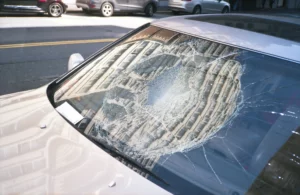
A car accident is stressful enough on its own, but the situation becomes even more frustrating when you find out the other driver has no insurance. Many accident victims assume that if the at-fault driver is uninsured, there is no path to compensation. That is not always true. While uninsured driver accidents can complicate the claims process, you may still have options depending on your coverage, the facts of the crash, and the losses you suffered.
If you are wondering what happens if the other driver has no insurance, the answer depends on several factors. What matters most is acting quickly, documenting everything, and understanding what sources of compensation may still be available.
At Help4Accidents, we help accident victims understand difficult claims situations and take the right steps after a crash.
Why Uninsured Driver Accidents Are So Problematic
Insurance is supposed to provide financial protection after an accident. When the at-fault driver has no coverage, it creates immediate uncertainty. Medical bills may start arriving quickly, your car may need repairs, and lost income can become a serious burden if your injuries keep you out of work.
This situation is especially difficult because uninsured drivers often do not have the financial resources to pay out of pocket for the damage they caused. That means even if they were clearly at fault, recovering compensation may be more complicated than in a standard claim. If you are still working through the first steps after a crash, our guide on what to do after a car accident can help you protect your position early.
You May Still Have Coverage Through Your Own Policy
One of the first things to review after an uninsured driver accident is your own auto insurance policy. Some drivers carry uninsured motorist coverage, which may help pay for injuries and, in some cases, property damage caused by a driver who has no insurance.
This coverage can be extremely important in exactly this kind of situation. Many people do not realize how valuable it is until they actually need it. Even though you may be filing through your own insurer, that does not always mean the process will be simple. Insurance companies still review claims closely and may challenge injuries, liability, or damages. We explain some of these issues further in our accident claims resource center.
The Other Driver’s Lack of Insurance Does Not Erase Fault
A driver does not escape responsibility just because they failed to carry insurance. If that driver caused the crash, fault still matters. Evidence showing what happened remains critical, including photos, witness statements, police reports, medical records, and repair documentation.
That is why documenting the accident thoroughly is so important. Even when insurance coverage is missing, proof of liability can still affect how your own insurer handles the case or whether other legal options may exist. Our article on how accident evidence can strengthen your case goes deeper into why evidence can shape the outcome of a claim.
Medical Treatment Still Comes First
Accident victims sometimes panic about the insurance issue and delay medical care because they are worried about cost. That is a mistake. Your health must come first. Some injuries become worse over time, and delaying treatment can hurt both your recovery and your claim.
Prompt treatment creates the records needed to connect your injuries to the accident. If you wait too long, an insurer may argue that your injuries were minor or unrelated. This is true even when the other driver had no coverage. Our guide on common car accident injuries and claims explains why early treatment and documentation matter so much.
Your Insurance Company May Still Push Back
Many people assume their own insurer will automatically take care of everything if the other driver was uninsured. In reality, insurers often investigate these claims carefully. They may ask for recorded statements, question the extent of your injuries, or review whether the accident qualifies under the terms of your policy.
That means you still need to be cautious when communicating with insurance adjusters. Keep your statements factual and avoid guessing about injuries or long-term effects before you understand the full picture. If the insurer starts minimizing your losses, delays the process, or makes a low offer, that can create additional pressure. We discuss this more in our article on low settlement offers after an accident.
Possible Financial Losses in an Uninsured Driver Accident
Depending on the crash, you may be dealing with losses such as:
- Emergency room bills
- Follow-up medical treatment
- Prescription costs
- Physical therapy expenses
- Lost income
- Vehicle repair or replacement costs
- Pain and suffering
- Ongoing rehabilitation
These losses can add up quickly, especially if the injuries affect your ability to work or require long-term care. That is why uninsured driver cases should never be dismissed as hopeless. Compensation may still be possible, but the details matter.
Why Fast Action Matters
The sooner you act after learning the other driver has no insurance, the better your chances of preserving evidence and protecting your rights. Delays can lead to lost documents, weaker witness recollections, and more opportunities for insurers to challenge the claim.
Fast action is also important because some coverage-related issues may depend on prompt reporting. If you are uncertain about the timeline, do not assume you can deal with it later. Our article on how long after a car accident can you file a claim explains why waiting too long can create serious problems.
Be Careful With What You Say and Post
Accident claims involving uninsured drivers can already be more complicated than usual. The last thing you want is to create extra problems through careless statements or social media activity. A single comment to an insurer or an online post can be taken out of context and used to question your injuries or damages.
It is safest to keep accident-related discussions limited and avoid posting photos, updates, or opinions about the crash while the claim is ongoing. This becomes even more important when the insurer is already looking closely at your case. For more on that issue, see how social media can affect injury claims.
What If the Uninsured Driver Offers to Pay Privately?
Sometimes an uninsured driver may ask you not to involve insurance and offer to pay out of pocket. That may sound easier in the moment, but it is often risky. Injuries can worsen, repair costs can increase, and a verbal promise does not guarantee actual payment.
Without proper documentation and a formal claims process, you may be left covering losses yourself if the other driver disappears or refuses to follow through. Even when the other person seems cooperative, protecting yourself should come first. Cases can become much more difficult when victims rely on informal arrangements instead of documented action.
Missing Insurance Does Not Mean You Have No Case
The biggest misconception in these situations is that an uninsured driver accident automatically ends any possibility of recovery. In reality, many cases still involve viable options, but those options depend on the facts, the available coverage, and the way the claim is handled from the beginning.
Conclusion
If you are asking what happens if the other driver has no insurance, the most important thing to know is that you may still have options. The lack of insurance can make the process harder, but it does not necessarily prevent you from pursuing compensation for medical bills, lost wages, vehicle damage, and other losses.
👉 Get a Free Case Evaluation
https://help4accidents.com/get-a-free-case-evaluation-page/