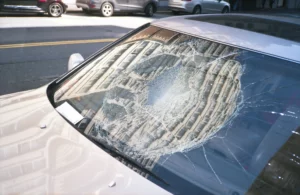
After a car accident, many people know they should take photos or call the police, but few understand just how important evidence can become once the claim process begins. Insurance companies do not simply take a victim’s word for what happened. They look for documentation, inconsistencies, and any opportunity to reduce what they pay. That is why strong evidence often makes the difference between a disputed claim and a well-supported one.
At Help4Accidents, we help accident victims understand how to protect their claim and avoid mistakes that can weaken their position.
Why Evidence Matters So Much After a Crash
A car accident claim is not just about saying you were hurt. It is about proving what happened with enough support that an insurance company, attorney, or court takes your losses seriously. Without evidence, even a valid claim can become harder to prove.
This becomes especially important when the other driver denies fault, changes their story, or the insurance company starts questioning your injuries. If you have not yet reviewed the first steps to take after a crash, our guide on what to do after a car accident is a strong place to begin.
Photos From the Scene Can Be Extremely Valuable
Photos are often some of the most useful pieces of evidence in a car accident case. They can capture damage, road conditions, vehicle positions, traffic signs, weather, skid marks, debris, and visible injuries. These details may disappear quickly once vehicles are moved and the scene is cleared.
Good photographs help preserve what the accident looked like before time changes the scene. They can also support your version of events when liability is disputed. This becomes even more important if the insurance company later argues that the crash was minor or that the damage does not match the reported injuries. Our article on can you still get compensation if you were partly at fault in a car accident explains why evidence matters even more when fault is challenged.
A Police Report Can Strengthen the Claim
A police report is often one of the first official records tied to the crash. It may include the date, time, location, involved parties, witness information, visible damage, and the officer’s observations. In some cases, it may also note traffic violations or include a preliminary assessment of fault.
While a police report is not always the final word on liability, it can still be an important part of the evidence picture. It helps create a formal record and can support consistency in the claim.
Medical Records Are Some of the Most Important Proof
Medical records are critical because they connect your injuries to the accident. They show when you sought treatment, what symptoms you reported, what diagnoses were made, and what care was recommended. Without this documentation, the insurance company may argue that your injuries were minor, unrelated, or exaggerated.
Prompt treatment also matters because long gaps in care can create problems. If you wait too long, insurers may claim something else caused your condition.
Witness Statements Can Make a Big Difference
Independent witnesses can be extremely helpful in a car accident claim. A neutral third party who saw the crash may support your version of events, especially if the other driver disputes fault. Witnesses may notice details that the drivers missed, including speed, traffic signals, lane movement, or driver behavior right before impact.
Because memories fade over time, it is best to gather witness names and contact information as soon as possible. Waiting too long may make it harder to locate people or get a clear statement later.
Vehicle Damage Helps Tell the Story of the Crash
The damage to the vehicles involved can sometimes say a lot about how the accident occurred. The location and severity of impact may support one version of events over another. Repair estimates, body shop records, and photos of the damage can all become part of the claim.
This type of evidence can also help when the insurer tries to minimize the crash. A company may argue that the collision was too minor to cause real injury, even when the facts show otherwise. Proper documentation of vehicle damage helps push back against that kind of argument. We discuss related insurer tactics in low settlement offers after an accident..
Bills, Receipts, and Wage Records Help Prove Losses
A strong claim is not only about proving fault and injury. It is also about proving the financial impact of the accident. Medical bills, pharmacy receipts, therapy costs, repair invoices, rental car receipts, and pay records all help show what the crash has cost you.
If you missed work, documentation of lost wages can be especially important. These records turn general claims of hardship into concrete, supportable numbers. The stronger the paper trail, the harder it is for the insurer to argue that your losses are unclear or overstated.
Your Own Notes Can Also Help
Many accident victims do not realize that a simple recovery journal can support a claim. Notes about pain levels, sleep problems, mobility issues, missed activities, and emotional strain can help show how the injuries affected daily life over time.
This kind of record is especially useful when injuries continue beyond the initial treatment period. It helps document the human impact of the crash, not just the medical bills. When paired with medical and financial records, personal notes can add valuable context to the case.
Video Footage Can Be Powerful Evidence
If dashcam footage, traffic camera video, surveillance footage, or nearby security recordings exist, they can be extremely useful. Video can capture driver behavior, lane positions, speed, signal use, and the moment of impact in a way that leaves less room for argument.
Because footage is often overwritten or deleted quickly, it is important to act fast when video may exist. This is one reason delays can hurt a claim. Our article on how long after a car accident can you file a claim explains why waiting too long can damage your position even before a deadline fully expires.
Social Media Can Undermine Good Evidence
Even a well-documented claim can be weakened if social media creates doubt. Insurance companies sometimes review public posts, photos, comments, or check-ins to look for anything they can use against the claimant. A post taken out of context may be used to challenge injury severity or credibility.
That is why it is safest to avoid posting about the accident, your recovery, or physical activities while the claim is ongoing. Our guide on how social media can affect injury claims explains this risk in more detail.
The Best Evidence Is Preserved Early
The most valuable evidence is often collected in the first hours and days after the crash. Scenes change, vehicles get repaired, witness memories fade, and records become harder to track down over time. Acting quickly helps preserve the strongest proof before it is lost.
That is also why even small mistakes can matter. Waiting to seek treatment, failing to take photos, or giving unclear statements can create unnecessary weaknesses in a case. If you want to avoid those problems, review mistakes that can hurt an accident claim..
Strong Evidence Can Improve Settlement Position
Insurance companies evaluate risk. The better your evidence, the harder it becomes for them to deny responsibility or understate damages. Strong evidence can improve your leverage during negotiations and reduce the chances that the insurer treats your case like a weak or uncertain claim.
This does not guarantee a perfect outcome, but it often puts you in a much better position than a claimant with missing records or inconsistent documentation. If you are unsure whether your case has the evidence it needs, get a free case evaluation to better understand your options.
Conclusion
The most important proof usually includes photos, medical records, police reports, witness statements, vehicle damage documentation, bills, wage records, and any video footage available. Together, these pieces help show how the accident happened, how badly you were hurt, and what the crash has cost you.
👉 Get a Free Case Evaluation
https://help4accidents.com/get-a-free-case-evaluation-page/