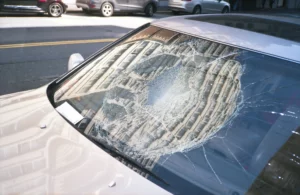
A T-bone accident, also known as a side-impact or broadside collision, can be one of the most dangerous types of car crashes. These accidents often happen at intersections and traffic signals, where one vehicle strikes the side of another at full speed.
Because the sides of vehicles offer far less protection than the front or rear, T-bone crashes frequently cause serious injuries, complex liability disputes, and aggressive insurance challenges.
If you’ve been involved in a T-bone accident, understanding who is at fault and what legal options you have is critical before speaking with insurance or accepting any settlement.
What Is a T-Bone Accident?
A T-bone accident occurs when the front of one vehicle crashes into the side of another, forming a “T” shape at impact. These accidents commonly happen at:
- Intersections
- Stop signs
- Traffic lights
- Parking-lot exits
- Left-turn lanes
Side-impact collisions often involve higher injury risk due to the direct transfer of force to passengers.
Common Causes of T-Bone Accidents
Most T-bone crashes are caused by driver negligence, including:
- Running a red light
- Failing to yield
- Ignoring stop signs
- Speeding through intersections
- Distracted driving
- Drunk or impaired driving
- Misjudging left turns
Even a brief lapse in attention can lead to a devastating side-impact collision.
Who Is Usually at Fault in a T-Bone Accident?
Fault depends on right-of-way laws and evidence from the scene.
Most Commonly at Fault
The driver who:
- Ran a red light or stop sign
- Failed to yield
- Turned left into oncoming traffic
- Entered an intersection illegally
However, insurance companies often dispute liability in T-bone crashes because both drivers may claim they had the right of way.
When Fault Is Disputed
Insurance companies may argue:
- The light was yellow
- Both drivers entered the intersection simultaneously
- One driver was speeding
- Visibility was limited
- Traffic signals malfunctioned
If the police report contains errors, this guide explains your options:
What if the police report is wrong after my car accident?
How Fault Is Proven in T-Bone Accidents
Strong evidence makes the difference between fair compensation and denial.
Key evidence includes:
- Traffic-camera footage
- Dashcam video
- Intersection surveillance
- Witness statements
- Police reports
- Vehicle damage patterns
- Event data recorder (black box) information
Damage location alone often reveals fault. For example, front-end damage vs. side-panel impact can prove right-of-way violations.
Common Injuries in T-Bone Collisions
Side-impact accidents frequently cause:
- Head and brain injuries
- Concussions
- Spinal cord injuries
- Broken ribs
- Internal organ damage
- Pelvic fractures
- Shoulder and hip injuries
Many of these injuries worsen over time. Learn why delayed symptoms are common:
Should you go to the hospital after a car accident even if you feel fine?
What Compensation Can You Recover After a T-Bone Accident?
Victims may be entitled to compensation for:
Medical Expenses
Including:
- Emergency treatment
- Hospital stays
- Surgery
- Physical therapy
- Long-term rehabilitation
If you’re unsure how medical bills are handled, read:
Who pays medical bills after an accident?
Lost Wages
If your injuries prevent you from working, you may recover:
- Missed income
- Reduced earning capacity
Learn more here:
How to recover lost wages after a car accident
Pain and Suffering
Side-impact injuries often lead to chronic pain and emotional trauma.
Learn how this compensation is calculated:
How much is pain and suffering worth after a car accident?
Property Damage
Including:
- Vehicle repair or replacement
- Diminished value claims
What If the Other Driver Lies or Has No Insurance?
T-bone cases frequently involve disputes.
If the other driver lies:
What if the other driver lied about the accident?
If they have no insurance:
What if the other driver has no insurance?
Even in these situations, compensation is often still available.
Why Insurance Companies Push Back in T-Bone Claims
Insurance companies aggressively fight T-bone claims because:
- Injuries are expensive
- Liability can be disputed
- Settlements are typically higher
They may:
- Request full medical histories
- Claim comparative negligence
- Offer quick low settlements
If this happens, read:
Insurance wants my medical records , what should I do?
And if the offer feels unfair:
The truth about lowball settlement offers
Do You Need a Lawyer for a T-Bone Accident?
In most cases, yes.
A lawyer can:
- Preserve traffic-camera footage
- Prove right-of-way violations
- Handle disputed liability
- Coordinate medical documentation
- Prevent insurance manipulation
- Maximize settlement value
If you want to understand the process, read:
What to expect during a free consultation with a personal injury lawyer
Final Thoughts
T-bone accidents are rarely simple. Liability disputes, severe injuries, and aggressive insurance tactics make these claims complex and high-stakes.
Before accepting any settlement, make sure your injuries, evidence, and legal rights are fully protected.
👉 Get a Free Case Evaluation
https://help4accidents.com/get-a-free-case-evaluation-page/
Learn who was at fault, what your claim may be worth, and how to protect your future.