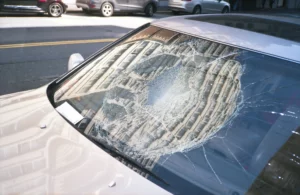
A hit-and-run accident can leave victims feeling shocked, angry, and overwhelmed. Unlike a typical crash where both drivers stop and exchange information, a hit-and-run creates immediate uncertainty. The at-fault driver disappears, important evidence may vanish quickly, and the victim is left trying to deal with injuries, vehicle damage, and insurance questions without knowing who caused the crash. That uncertainty often makes these cases more stressful than many other collision claims.
Many people assume they cannot recover compensation if the other driver is never found. That is not always true. Depending on the state, the insurance policy involved, and the available evidence, a victim may still have options through uninsured motorist coverage, medical payments coverage, personal injury protection, or other insurance benefits. In some cases, investigators are also able to identify the fleeing driver through witness statements, surveillance footage, or debris left at the scene.
What Counts as a Hit-and-Run Accident?
A hit-and-run accident happens when a driver causes or is involved in a collision and leaves the scene without stopping to provide contact, vehicle, and insurance information or without helping injured people when required by law. These crashes can involve two moving vehicles, a parked car, a pedestrian, a cyclist, or even property damage such as fences or buildings.
Some hit-and-run drivers flee because they are uninsured, intoxicated, driving without a valid license, or afraid of legal consequences. Others panic and leave without thinking through the seriousness of the situation. Regardless of the reason, leaving the scene can create both criminal and civil consequences for that driver. For the victim, however, the practical issue is recovery. That means preserving evidence, documenting injuries, and understanding how to build a claim even when the other driver is missing.
Why Hit-and-Run Cases Can Be So Complicated
A standard accident case usually starts with identifying the other driver and opening a claim against that driver’s insurance. In a hit-and-run case, that starting point may be missing. Without the other driver’s name, license plate, or insurance information, victims often have to rely on their own policy first. That can feel unfair, especially when the victim did nothing wrong.
These claims are also evidence-sensitive. Traffic cameras may overwrite footage quickly. Witnesses may leave. Physical evidence may be lost if the scene is not documented right away. The insurance company may question whether the event happened exactly as the victim describes, especially when there is no identified defendant to confirm the facts.
What to Do Immediately After a Hit-and-Run Crash
The first priority after any accident is safety. Move to a safe location if possible and call 911 if anyone is injured. Even if injuries seem minor at first, it is important to get law enforcement to the scene or file a police report as soon as possible. In a hit-and-run case, the police report is often one of the most important early documents because it helps establish that the fleeing driver existed and that the crash was reported promptly.
If you are physically able, try to write down everything you remember about the vehicle that fled. Even partial information can help, including the make, model, color, direction of travel, damage pattern, and any part of the license plate. If there were witnesses nearby, ask for their names and contact information. Nearby businesses, homes, traffic lights, and parking areas may also have cameras that captured part of the event. Victims who want help understanding which early steps matter most can review more on what to do after a car accident.
Photos are also critical. Take pictures of your vehicle, the surrounding area, debris, skid marks, injuries, and anything else that may help reconstruct what happened. Small details can matter later, especially when the insurer or an investigator is trying to determine how the impact occurred.
Why Medical Care Still Matters Even if the Driver Is Gone
Some victims focus so heavily on finding the fleeing driver that they delay medical treatment. That can be a serious mistake. Your health comes first, and medical records are also essential to any claim. A prompt examination connects the injuries to the crash and creates documentation that may later support compensation through your own insurance or a legal claim if the driver is eventually identified.
Hit-and-run accidents can cause the same serious injuries as any other crash. Victims may suffer whiplash, back injuries, concussions, fractures, soft tissue damage, shoulder injuries, knee trauma, or ongoing nerve pain. Symptoms may appear immediately or worsen over time. Waiting too long to get checked out can allow the insurer to argue that the injuries were minor or unrelated.
How Insurance Usually Works in Hit-and-Run Accident Claims
Insurance handling in hit-and-run cases varies by state and policy, but uninsured motorist coverage is often central. In many states, a hit-and-run driver is treated similarly to an uninsured driver because their insurance information is unavailable. If you carry uninsured motorist bodily injury or property damage coverage, that coverage may help pay for medical expenses, lost wages, pain and suffering, or vehicle repairs depending on the terms of the policy.
Other types of coverage may also apply. Personal injury protection or MedPay can help with medical bills regardless of fault in some policies. Collision coverage may help repair the vehicle even when the at-fault driver is unknown. The challenge is that your own insurer may still investigate aggressively before paying. That surprises many people. Just because the claim is against your own policy does not always mean the process will be easy.
Insurers may ask whether there was actual contact between the vehicles, whether there are witnesses, whether the report was made promptly, and whether the damage is consistent with the story. That is why documentation matters so much. This section is ideal for linking to uninsured motorist accident claims.
Evidence That Can Help Identify the Fleeing Driver
Even when a driver leaves the scene, there may still be ways to identify them. Security cameras from nearby homes, businesses, intersections, and parking garages are often useful. Dashcam footage from your vehicle or another car nearby can also make a major difference. Witness descriptions may help narrow down the vehicle type or even confirm part of the plate number.
Compensation That May Be Available
Hit-and-run accident claims can include many of the same damages as other car accident cases. A victim may be able to recover medical expenses, future treatment costs, lost wages, reduced earning ability, pain and suffering, emotional distress, and property damage. The exact categories depend on the policy terms, state law, and whether the fleeing driver is later identified.
These cases can also involve emotional trauma beyond the physical injuries. Many victims feel a deep sense of frustration because the responsible person chose to flee instead of taking responsibility. That emotional impact, combined with the uncertainty of the claims process, can make recovery even harder. This is a natural place to link the phrase pain and suffering compensation.
How Insurance Companies May Push Back
Insurance companies do not automatically approve every hit-and-run claim just because the other driver disappeared. They may question how the accident happened, whether there was real contact, whether the damage matches the account provided, or whether the injury treatment was reasonable and necessary. In some cases, they may look for inconsistencies in the timeline or point to gaps in reporting and treatment.
This is one reason victims should be careful in conversations with adjusters. It is important to be truthful, but it is also important to avoid speculation. If you do not know something, do not guess. A statement made too early or too casually can create unnecessary issues later. This paragraph works well with an internal link on dealing with insurance adjusters.
When a Hit-and-Run Claim Becomes a Legal Matter
Some hit-and-run cases stay within the insurance process, especially when the damages are limited and coverage is clear. But when injuries are serious, liability is questioned, the insurer delays payment, or the fleeing driver is later found, the case may become a more formal legal matter. If a driver is identified, a victim may be able to pursue a direct personal injury claim against that individual and possibly against additional responsible parties depending on the facts.
Legal issues can also arise when multiple policies are involved, when there are disputes over uninsured motorist coverage, or when the insurer argues that the policy does not apply. These are not always simple cases, even though the victim may think the facts are obvious. A hit-and-run often requires a careful combination of evidence preservation, insurance analysis, and legal strategy. You can add another internal link here on personal injury claim process.
How Victims Can Protect Their Claim
The best way to protect a hit-and-run claim is to act early and stay organized. Report the crash right away. Seek medical treatment promptly. Take photographs and preserve all documents. Save repair estimates, towing bills, receipts, discharge papers, prescription records, and written communication from the insurance company. If your symptoms affect work or daily activities, keep records of that as well.
Conclusion
A hit-and-run accident can make an already stressful situation even more difficult. When a driver flees, victims are often left feeling powerless, but that does not mean they are without options. Insurance coverage may still apply, evidence may still lead to identification, and compensation may still be available for medical bills, lost income, and pain and suffering.
👉 Get a Free Case Evaluation
https://help4accidents.com/get-a-free-case-evaluation-page/