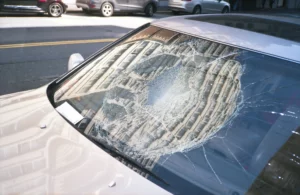
A hit-and-run accident is one of the most frightening experiences a driver or pedestrian can face. In a matter of seconds, another driver causes a crash—and then disappears—leaving you injured, confused, and unsure how your bills will be paid.
If this happened to you, here’s the most important thing to know upfront:
You can often still recover compensation even if the driver is never found.
This guide explains how hit-and-run claims work, what compensation may be available, and what steps to take immediately to protect your rights.
What Is Considered a Hit-and-Run Accident?
A hit-and-run occurs when a driver causes a collision and then leaves the scene without:
- Providing insurance information
- Offering assistance
- Waiting for police
Hit-and-run accidents can involve:
- Vehicle-to-vehicle crashes
- Pedestrians
- Cyclists
- Parked cars
Leaving the scene of an accident is illegal in every state, but unfortunately, that doesn’t stop some drivers from fleeing.
What to Do Immediately After a Hit-and-Run
Your actions in the first hours after a hit-and-run are critical.
1. Call the Police Immediately
A police report is essential for any hit-and-run claim. It documents:
- Time and location
- Damage
- Injuries
- Witness statements
If inaccuracies later appear, this guide explains what to do:
What if the police report is wrong after my car accident?
2. Seek Medical Treatment Right Away
Even if you feel “okay,” adrenaline can mask serious injuries.
Delayed treatment often weakens both your health recovery and your claim.
Learn why symptoms can appear later:
How long do car accident injuries take to heal?
3. Gather Any Available Evidence
Try to collect:
- Vehicle description
- Partial license plate
- Direction the driver fled
- Photos of damage
- Nearby businesses with cameras
- Witness contact information
Even small details can later identify the driver.
Can You Recover Compensation If the Driver Is Never Found?
Yes—many hit-and-run victims still recover compensation through insurance options.
1. Uninsured Motorist (UM) Coverage
In most states, hit-and-run accidents are treated as uninsured motorist claims.
UM coverage may pay for:
- Medical bills
- Lost wages
- Pain and suffering
- Ongoing treatment
UM coverage often becomes the primary source of compensation.
If you’re unsure how uninsured claims work, read:
What if the other driver has no insurance?
2. Personal Injury Protection (PIP) or Med Pay
Depending on your state and policy, your own insurance may cover immediate costs such as:
- Emergency care
- Physical therapy
- Follow-up visits
For therapy costs specifically, see:
Who pays for physical therapy after a car accident?
3. Health Insurance
Health insurance can cover treatment while the claim is pending.
However, insurers may later seek reimbursement from your settlement (a lien).
A lawyer can often reduce those liens to increase your final payout.
What Compensation Can You Recover After a Hit-and-Run?
Hit-and-run victims may be eligible for compensation covering:
Medical Expenses
Including:
- ER treatment
- Diagnostic imaging
- Physical therapy
- Medications
- Follow-up care
If you’re confused about medical billing, read:
Who pays medical bills after an accident?
Lost Wages
If your injuries kept you from working, you may recover:
- Missed income
- Reduced earning capacity
Learn how wage claims work here:
How to recover lost wages after a car accident
Pain and Suffering
Hit-and-run accidents often involve emotional distress in addition to physical pain.
Learn how this is valued here:
How much is pain and suffering worth after a car accident?
Property Damage
Your collision coverage may pay for:
- Vehicle repairs
- Total loss value
In some cases, diminished value claims may apply.
What If the Hit-and-Run Driver Is Eventually Found?
If the driver is later identified:
- Their insurance may become responsible
- Criminal charges may apply
- You may pursue a personal injury claim directly
However, recovery still depends on whether the driver carries insurance or has collectible assets.
Why Insurance Companies Push Back on Hit-and-Run Claims
Even though you’re the victim, insurers may:
- Delay UM claims
- Question injury severity
- Dispute fault
- Request extensive medical records
- Offer low settlements
If your insurer requests broad medical access, read this first:
Insurance wants my medical records — what should I do?
And if the offer feels unfair:
The truth about lowball settlement offers
Do You Need a Lawyer for a Hit-and-Run Accident?
In most cases, yes.
A lawyer can:
- Identify all applicable coverage
- Handle uninsured motorist claims
- Gather surveillance footage
- Work with investigators
- Prevent insurance delays
- Maximize pain and suffering compensation
- Negotiate medical liens
Even when filing with your own insurer, they are still a business protecting profits.
If you want to know what happens during the first call:
What to expect during a free consultation with a personal injury lawyer
Final Thoughts
A hit-and-run accident does not leave you powerless. Between uninsured motorist coverage, medical payment options, and legal strategies, many victims recover full compensation—even when the driver is never found.
The key is acting quickly and protecting your claim from the start.
👉 Get a Free Case Evaluation
https://help4accidents.com/get-a-free-case-evaluation-page/
Find out what coverage applies to your hit-and-run accident and how much compensation you may be entitled to.